Quit smoking with the help of CBD: A natural solution to overcome nicotine addiction
Smoking cessation is a major challenge for many smokers. Physical and psychological dependence on nicotine complicates the process, making quitting often difficult. The CBDor cannabidiol, has shown itself to be a promising natural alternative for alleviating the undesirable effects of withdrawal. This article explains how CBD can help you quit smoking, exploring its properties, benefits and testimonials from users who have found CBD a valuable support.
What is CBD and what are its health benefits?
CBD, extracted from industrial hemp, is a non-psychoactive cannabinoid with numerous therapeutic properties. Unlike THC (tetrahydrocannabinol), CBD does not produce highs, but does have anxiolytic, anti-inflammatory and relaxing effects. These characteristics make it a natural option for those wishing to overcome their tobacco addiction without the side effects of conventional treatments.
The therapeutic properties of CBD
Numerous scientific studies have highlighted the health benefits of CBD. These effects include:
- Anxiety reduction: CBD acts directly on the body's endocannabinoid system, helping to regulate emotions and reduce anxiety often experienced during smoking cessation.
- Anti-inflammatory effects: CBD is effective in reducing inflammation and pain. These properties may be useful for smokers with a history of chronic pain.
- Sleep aid: Quality sleep is crucial for coping with the stress of withdrawal. CBD promotes deep relaxation, making it easier to fall asleep and improving sleep quality.
- Neuroprotective effects: CBD contributes to brain cell health, helping to mitigate the neurotoxic effects of long-term smoking.
Why use CBD to stop smoking?
When you try to stop smoking, your body goes through a phase of withdrawal phase. Stress, irritability, anxiety and cravings for nicotine are all symptoms that can make this process insurmountable. CBD acts as a natural support to relieve these symptoms, offering smokers a non-addictive solution.
Fight nicotine cravings
Nicotine cravings are one of the biggest obstacles to quitting smoking. CBD, by acting on the endocannabinoid system, helps reduce the intensity of these cravings. Studies have shown that CBD can modulate the release of dopamine in the brain, the neurotransmitter associated with pleasure and reward. By reducing the dopamine spikes triggered by nicotine, CBD makes cravings more manageable.
Stress and anxiety management
Stress is one of the major factors driving smokers back to cigarettes after a quit attempt. CBD, known for its calming effects, has been shown to be effective in reducing anxiety and stress, enabling smokers to get through this period with less emotional pressure.
Scientific studies on CBD and smoking cessation
Recent research confirms CBD's potential as a smoking cessation aid. Several studies, conducted by prestigious institutions, have analyzed the effects of CBD on withdrawal symptoms and nicotine cravings.
Reduced cravings
A study fromUniversity College London has revealed that participants who used a CBD inhaler reduced their cigarette consumption by almost 40% in one week, compared with participants who received a placebo. This result underlines the impact of CBD in managing nicotine cravings.
Improved mood and well-being
Another study showed that CBD could also improve mood and promote a sense of well-being, crucial elements in coping with the emotional challenges of smoking cessation. These results confirm the value of CBD as a complementary solution to traditional cessation methods.
How to use CBD to stop smoking?
The effectiveness of CBD depends on the form chosen, the dosage and the frequency of use. To maximize its effects, it's essential to choose the right method of administration.
Available forms of CBD
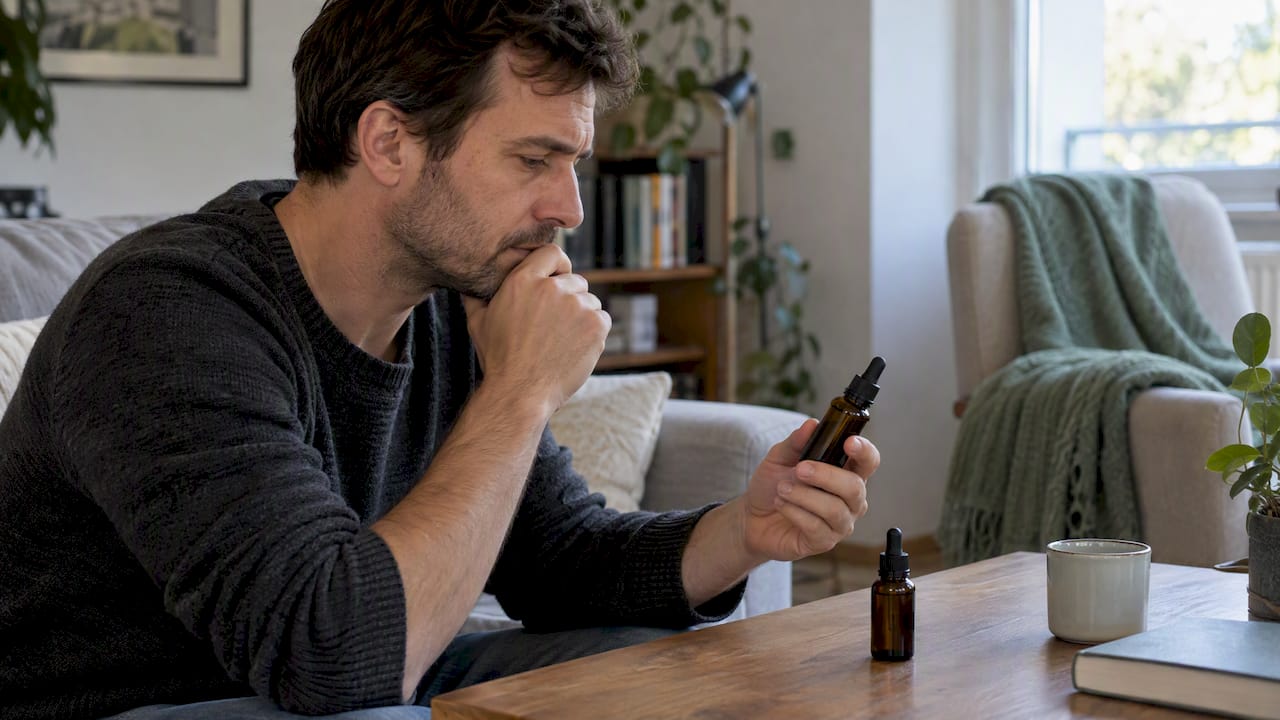
- CBD oil: Easily absorbed sublingually, it offers a fast, powerful action.
- E-liquids: Ideal for electronic cigarette smokers who want to replace nicotine with CBD.
- Edible: Candies, capsules and other edible products, perfect for discreet intake.
- Creams and balms: Mainly used for local pain, but can also have a relaxing effect.
- Capsules: Practical and easy to dose, they are ideal for people looking for a regular daily dose.
Recommended dosage
The appropriate CBD dosage varies from person to person. It is recommended to start with small doses (5–10 mg) and then gradually increase the dose based on how your body responds. The goal is to find a balance that reduces the urge to smoke without causing side effects.
Comparison of CBD with other smoking cessation methods
Unlike nicotine replacement therapies or medications, CBD is a natural option with no psychoactive effects and no risk of addiction.
Nicotine replacement products
Nicotine patches and gums are popular tools, but they maintain dependency by continuing to administer nicotine to the body. CBD, on the other hand, has no such addictive effect, offering a dependence-free method.
Prescription drugs
Medications such as varenicline and bupropion also help withdrawal, but often cause side effects such as insomnia and nausea. CBD is generally well tolerated by users and has a limited side-effect profile.
Behavioral therapies
CBD can complement behavioral therapies by reducing anxiety and promoting a sense of calm, helping smokers manage their emotions without resorting to cigarettes.
Testimonials and feedback
Numerous user testimonials show that CBD can indeed help you quit smoking.
Positive experiences
Pierre, 35, explains that using CBD oil has enabled him to gradually reduce his cigarette consumption, while easing his cravings and irritability.
Mixed cases
Pauline, 29, experienced an improvement in her sleep thanks to CBD, but didn't notice a significant reduction in her cravings. Some users may require a different dosage or form for optimal effects.
Frequently asked questions about CBD and smoking cessation
Is CBD addictive?
No, CBD is not addictive. It is therefore safe for former smokers who fear developing a new form of dependency.
How long does it take to see results?
The effects of CBD can vary from person to person. Some experience immediate results, while others may require several weeks of regular use.
Is CBD legal?
In France, CBD is legal under certain conditions, notably if it contains less than 0.3% THC. It is always advisable to check local legislation to ensure product conformity.