
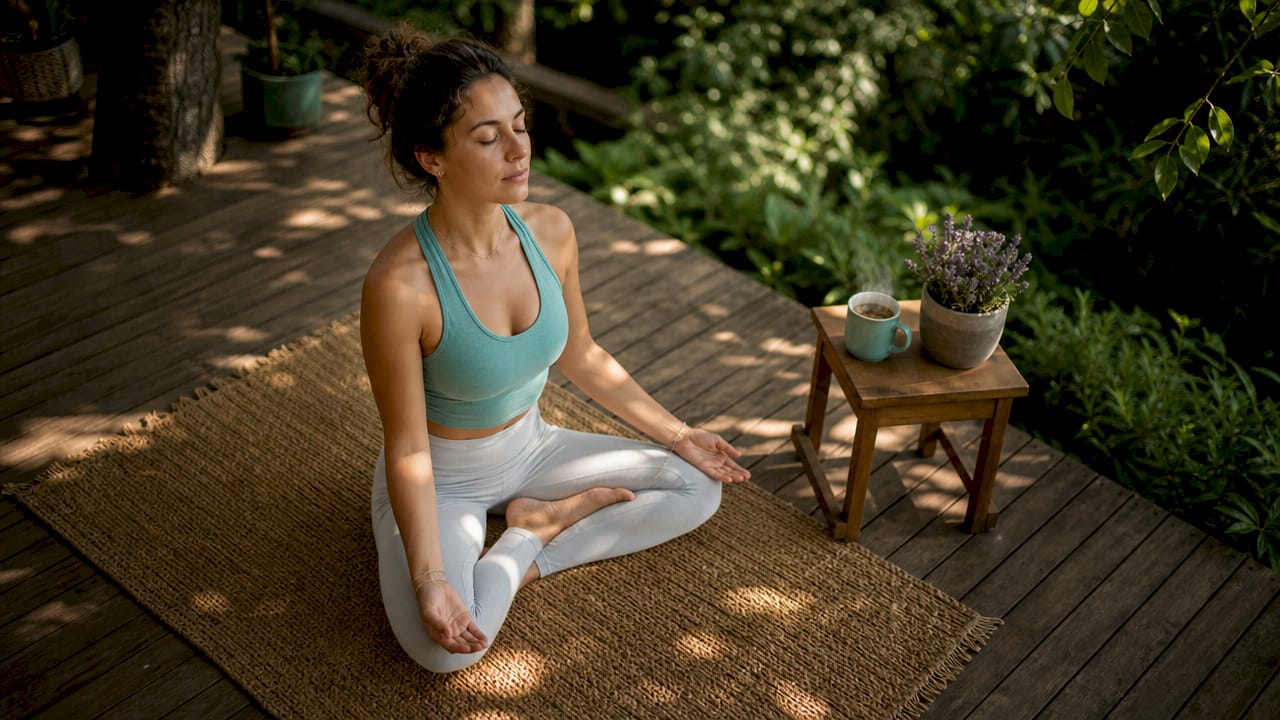
Natural remedies for anxiety refer to a range of non-pharmaceutical techniques and substances with clinically documented anxiolytic effects. These approaches fall into two categories: methods with immediate effects, such as breathing techniques that target the vagus nerve, and herbal supplements that require regular use over several weeks. Substances such as ashwagandha, passionflower (Passiflora incarnata), and L-theanine are among the most extensively studied. Understanding this distinction between rapid-acting and gradual-acting effects is the first step toward developing a truly effective anxiety management strategy.
1. What breathing techniques provide quick relief from anxiety?
Breathing techniques are the most accessible and fastest natural remedies for anxiety. They act directly on the autonomic nervous system within minutes, without requiring any equipment or a prescription.
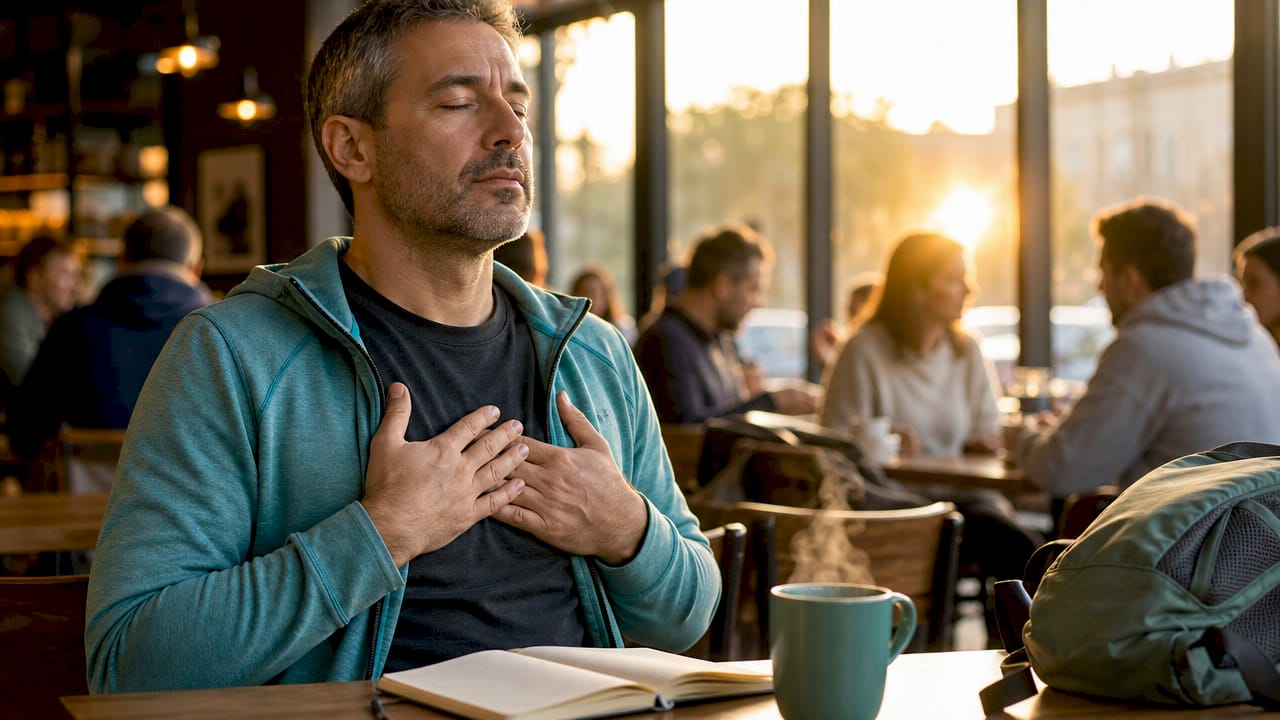
The central mechanism is vagus nerve stimulation. This nerve is the main pathway of the parasympathetic nervous system. Stimulating it through prolonged exhalation reduces heart rate and cortisol levels, producing a measurable anxiolytic response. The most well-established technique involves inhaling for 4 seconds, then exhaling slowly for 6 to 8 seconds. This imbalance between inhalation and exhalation is the key to the calming effect.
Here are the most effective techniques, organized by situation:
- 4-6 or 4-8 Breathing: Inhale for 4 seconds, exhale for 6 to 8 seconds. Ideal for mild to moderate anxiety attacks.
- 5-4-3-2-1 Sensory Grounding: Identify 5 things you see, 4 you hear, 3 you touch, 2 you smell, and 1 you taste. This technique interrupts acute panic attacks by anchoring your attention in the present moment.
- Cold water on the face: stimulates the diving reflex, which activates the vagus nerve and slows the heart rate within seconds.
- Buzzing or humming: Producing a continuous low-pitched sound causes the larynx to vibrate, which mechanically stimulates the vagus nerve.
These four methods have one thing in common: they all activate the parasympathetic nervous system through sensory or respiratory pathways, without the use of any chemical substances.
Pro tip: Practice the 4-8 breathing technique for at least 5 consecutive minutes to achieve a measurable effect on your heart rate. A single breath isn't enough.
2. Which herbal supplements reduce anxiety?
Herbal remedies and nutrients are another category of natural treatments for nervousness and anxiety. They are truly effective, but their effects develop gradually. Supplements require 2 to 4 weeks of regular daily use to fully reveal their effects. Stopping too soon prevents you from experiencing the real benefits.
The best-documented supplements are as follows:
- Ashwagandha (Withania somnifera): an adaptogen that acts on the hypothalamic-pituitary-adrenal axis to reduce cortisol. Effective for chronic anxiety, but may cause excessive sedation when combined with other sedatives.
- Passionflower (Passiflora incarnata): Its standardized extract has been shown to have anxiolytic efficacy comparable to that of certain benzodiazepines in clinical settings. Standardization of the extract is essential to ensure the active dose.
- Chamomile (Matricaria chamomilla): Well tolerated, it is suitable for mild forms of anxiety and associated sleep disorders.
- Magnesium glycinate: Magnesium deficiency increases sensitivity to stress. The glycinate form is better absorbed than magnesium oxide.
- L-theanine: an amino acid found in green tea. L-theanine relieves acute anxiety without causing drowsiness, with effects noticeable 30 to 60 minutes after ingestion.
Key Takeaway: The perception that “natural” means “safe” is a dangerous misconception. Herbal supplements can cause significant drug interactions and toxic effects, particularly when there is no quality control over the extracts used. Ashwagandha and saffron, for example, pose a risk of serotonin syndrome if improperly combined with antidepressants.
The quality of the extract directly affects its effectiveness. A non-standardized extract may contain varying amounts of active ingredients, making the dosage unpredictable. Standardized extracts are the standard in clinical studies and should be preferred.
3. What complementary approaches support anxiety management?
Natural methods for long-term support address the biological and psychological mechanisms of anxiety without relying on substances. They can be effectively combined with breathing techniques and supplements.
The most well-documented approaches are:
- Yoga and mindfulness meditation: Regular practice reduces activity in the amygdala, the area of the brain involved in the fear response. Even 10 minutes a day has a measurable effect on perceived stress.
- Aerobic exercise: Brisk walking, running, or cycling release endorphins and regulate cortisol levels. Three sessions a week are enough to notice an effect on your mood.
- Lavender aromatherapy: Lavender essential oil (Lavandula angustifolia) has shown moderate anxiolytic effects in several studies, primarily when inhaled.
- Acupuncture: The evidence remains limited, but some clinical trials report a reduction in generalized anxiety after several sessions.
- Sleep quality: Insufficient sleep directly increases anxiety reactivity. Maintaining a regular sleep schedule and avoiding screen time before bed improves emotional regulation.
Two common substances worsen anxiety and should be reduced: nicotine and excessive caffeine. Nicotine is addictive and causes anxiety between doses. Caffeine stimulates the sympathetic nervous system and can trigger heart palpitations that are mistaken for panic attacks.
Pro tip: Combine a 20-minute brisk walk with the 4-8 breathing exercise at the end of the day. This combination works simultaneously on cortisol and the parasympathetic nervous system, with a synergistic effect on sleep quality.
To learn more about the link between sleep quality and anxiety, the benefits of CBD for sleep provide useful further reading.
4. How can you safely choose and combine these natural remedies?
Choosing the right natural remedies for anxiety depends on the nature and severity of the symptoms. Mild, situational anxiety responds well to breathing techniques and L-theanine. Chronic or generalized anxiety requires a more structured approach, combining several methods over time.
The following table lists the selection criteria by profile:
| Profile | Recommended Approach | Key Precaution |
|---|---|---|
| Acute, episodic anxiety | Breathing 4-8, grounding 5-4-3-2-1, L-theanine | No significant interactions |
| Mild chronic anxiety | Ashwagandha, magnesium glycinate, meditation | Check for drug interactions |
| Anxiety with Sleep Disorders | Passionflower, chamomile, sleep hygiene | Avoid combining with sedatives |
| Severe or disabling anxiety | Mandatory medical consultation | Natural remedies alone are not enough |
Healthcare professionals recommend that natural approaches should not replace a medical evaluation, especially when symptoms interfere with daily life. This recommendation applies to all forms of moderate to severe anxiety.
Self-medicating with herbs carries real risks. An unregulated supplement may contain varying doses of active ingredients. The natural supplements industry suffers from a lack of comprehensive standardization, which leaves consumers vulnerable to substandard products. Choosing certified, lab-tested extracts significantly reduces this risk.
Pro tip: Before starting a new supplement, consult a pharmacist or doctor to check for interactions with your current medications. This step takes 5 minutes and can help prevent serious side effects.
To better understand the effects of CBD when combined with other natural substances, the page on CBD side effects provides useful information.
Key Points
The most effective natural remedies for anxiety combine breathing techniques that provide immediate relief with herbal supplements taken regularly for at least 2 to 4 weeks.
| Point | Details |
|---|---|
| Immediate Action | The 4-8 breathing technique and the 5-4-3-2-1 grounding exercise can calm a panic attack in just a few minutes. |
| Gradual Add-ons | Ashwagandha, passionflower, and L-theanine should be taken daily for 2 to 4 weeks. |
| Quality of the extracts | Only standardized extracts guarantee a reliable and reproducible active dose. |
| Real Risks | Medicinal plants can interact with medications and cause toxic effects. |
| Medical Follow-up | Severe anxiety requires a professional evaluation, even when using natural remedies. |
My Thoughts on the Prudent Use of Natural Remedies for Anxiety
What strikes me most in this area is the gap between the simplicity of the most effective techniques and the complexity of the discourse surrounding them. Extended exhalation is free, available at any time, and its mechanism of action on the vagus nerve is well documented. Yet most people with anxiety do not practice it correctly, because they have not understood that it is the duration of the exhalation—not the inhalation—that produces the calming effect.
When it comes to supplements, I’m more cautious. Standardized passionflower and L-theanine are backed by solid research. But the market is flooded with poorly formulated, uncertified products sold on the promise of immediate results. Unrealistic expectations for quick results often lead to premature discontinuation, which prevents people from seeing the actual benefits. Two to four weeks of consistent use is the minimum requirement for evaluating a supplement.
What I’ve learned after years of following this topic: no natural remedy works on its own. Breathing calms an attack. Supplements support the underlying health. Exercise regulates cortisol over the long term. Sleep reinforces everything else. Removing any one of these pillars weakens the whole system. The most honest approach is also the most demanding: combine these elements, persevere, and consult a doctor as soon as symptoms become more than you can handle on your own.
— Mohamed
CBD as a Natural Complementary Support
Cannabidiol (CBD) fits naturally into an anxiety management strategy based on natural remedies. CBD acts on the endocannabinoid system, which plays a role in regulating the stress response and mood. Its calming properties make it a logical complement to the breathing techniques and medicinal plants already discussed.
Pure-extract-cbd offers a range of CBD products made from organic hemp, all of which are lab-tested to ensure compliance and purity. Oils, flowers, and resins are available with transparent quality reports. To explore the entire line and find the product that best suits your needs, the Pure-extract-cbd store offers a comprehensive catalog and customer service to help guide you.
Frequently Asked Questions
What are the fastest-acting natural remedies for anxiety?
Prolonged exhalation (4 seconds of inhalation, 6 to 8 seconds of exhalation) and the 5-4-3-2-1 sensory grounding exercise take effect within a few minutes by stimulating the parasympathetic nervous system via the vagus nerve.
How long does it take for medicinal plants to relieve anxiety?
Most herbal supplements, such as ashwagandha or passionflower, require regular daily use for 2 to 4 weeks before their anxiety-relieving effects become noticeable.
Are natural remedies for anxiety safe?
Not always. Herbs such as ashwagandha can cause excessive sedation or serotonin syndrome when taken with certain medications. Non-standardized extracts pose additional risks due to unpredictable dosages.
When should you see a doctor even if you're using natural remedies?
Medical advice is necessary as soon as anxiety begins to interfere with daily life, work, or social relationships. Natural remedies are complementary approaches and are not a substitute for a diagnosis or appropriate treatment.
Can CBD help reduce anxiety naturally?
CBD acts on the endocannabinoid system and has documented soothing properties. To learn more about how it works and its uses, the page on CBD oil for stress provides detailed information.



