

T9HC is defined as a semisynthetic cannabinoid produced by chemically modifying CBD, and its legal status in France in 2026 remains under close regulatory scrutiny. Its molecular structure makes it similar to the semi-synthetic cannabinoids already classified as narcotics by the French National Agency for Medicines and Health Products Safety (ANSM), which places any professional or business owner who markets it in a situation of serious legal risk. Understanding the definition, legal status, and associated precautions regarding T9HC is now essential for all players in the hemp market in France, just as it is to be familiar with the framework established by the French Observatory on Drugs and Addictive Trends (OFDT).
What are the legal criteria that define the status of the T9HC in France?
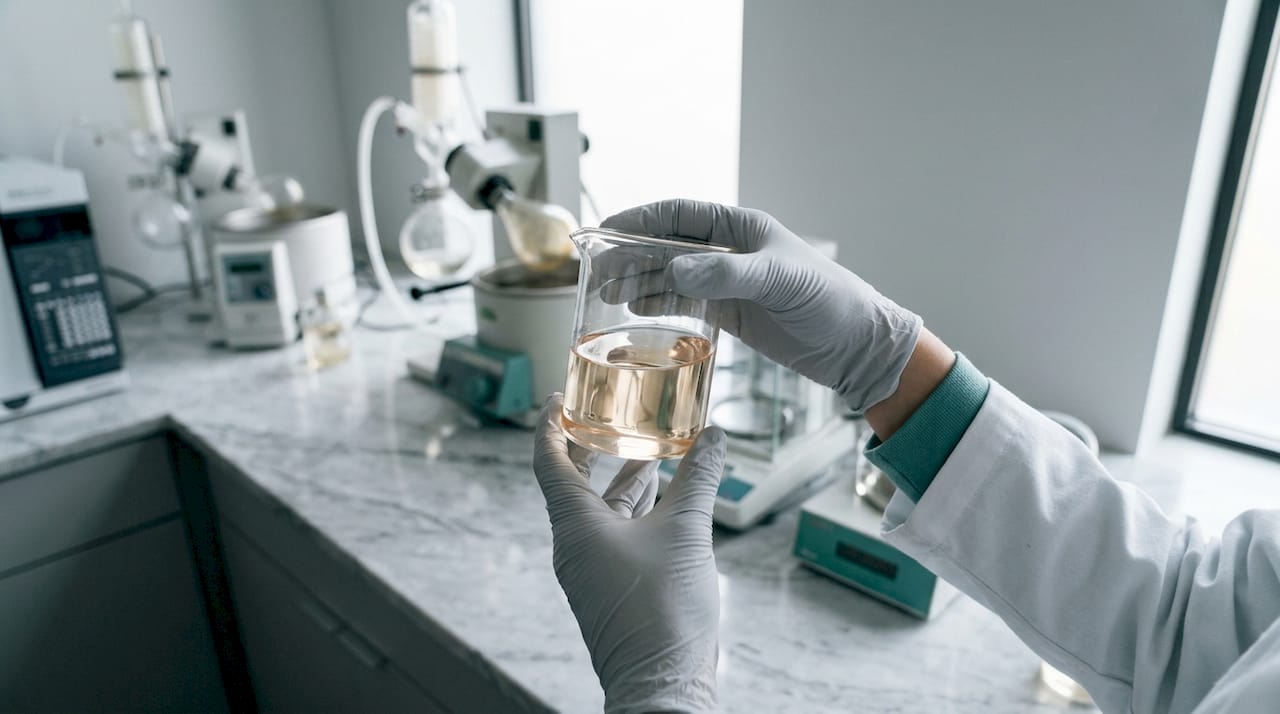
T9HC is a semisynthetic molecule derived from CBD, produced through isomerization or chemical modification in a laboratory. Its mechanism of action involves the CB1 and CB2 receptors of the endocannabinoid system, which gives it potentially psychoactive effects. This characteristic fundamentally distinguishes it from natural CBD and subjects it to much stricter regulations.
Three distinct categories of cannabinoids
French regulations distinguish three main categories:
- Natural cannabinoids: derived directly from the Cannabis sativa L. plant, such as CBD, CBG, or CBN. They are legal under strict conditions.
- Hemisynthetic cannabinoids: obtained through the chemical modification of a natural cannabinoid. T9HC belongs to this category, as does HHC.
- Synthetic cannabinoids: produced entirely in a laboratory, without any plant-based starting material. They are strictly prohibited.
T9HC falls into the second category. However, in 2026, the majority of semisynthetic cannabinoids with psychotropic effects were classified as narcotics in France. The list was expanded in 2024 and 2025 to include HHC, THCP, H4CBD, HHC-O, HHC-P, and 10-OH-HHC. This legislative trend places T9HC in a very uncertain compliance position.
The 0.3% THC threshold is not enough
A common misconception is that a product with a THC content below 0.3% is automatically legal. Compliance with the THC threshold does not guarantee the legality of a product containing semi-synthetic cannabinoids such as T9HC. A product may meet this threshold yet still be classified as a narcotic and prohibited from sale. Classification as a controlled substance is independent of the THC content alone and may apply to modified cannabinoids even when that content remains within legal limits.
Only natural cannabinoids derived from authorized hemp varieties with a THC content of less than 0.3% will be legally marketable in France in 2026.
Pro tip: Before listing a product containing T9HC, always request a recent certificate of analysis (COA) issued by an accredited laboratory. This document must specify the exact nature of the molecules present and their concentrations, not just the total THC content.
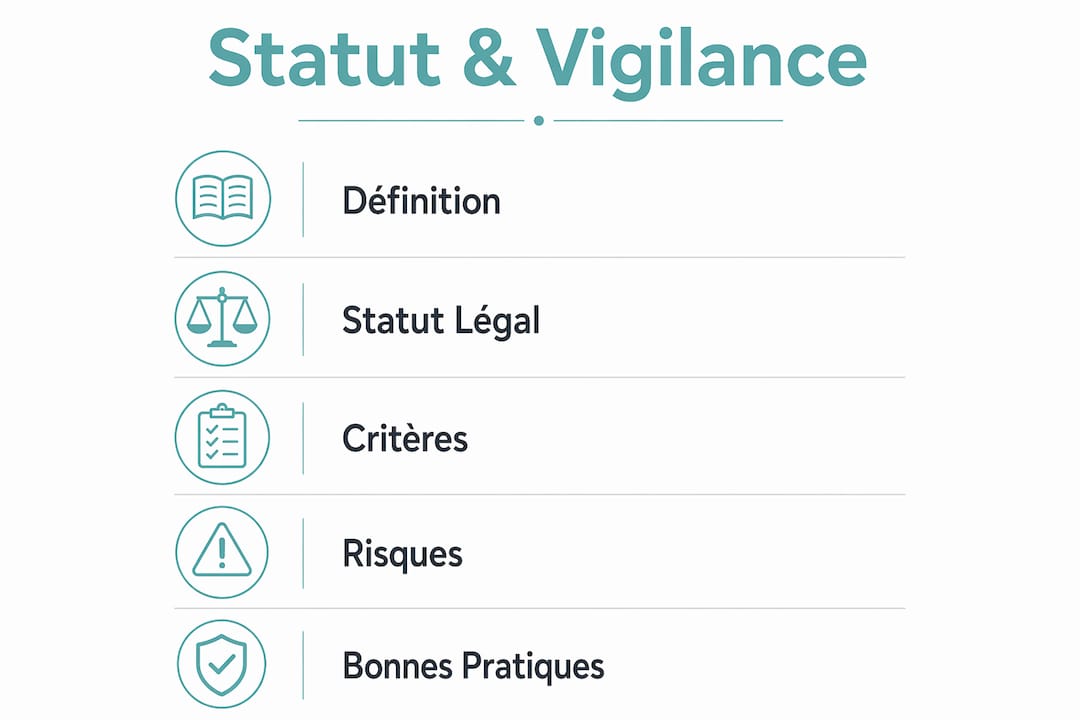
What are the risks and precautions associated with the marketing of T9HC?
The risks associated with T9HC are legal, health-related, and commercial. Any professional who sells or possesses T9HC without first verifying its status is subject to serious criminal penalties. Under French law, the possession or sale of a substance classified as a narcotic is punishable by imprisonment and significant fines.
Five Key Points to Keep in Mind
-
Direct criminal liability: If T9HC is classified as a narcotic by ministerial order at the time of sale, any sale of the substance constitutes a criminal offense. The ANSM regularly publishes an updated list of substances classified as narcotics. Failure to review this list regularly constitutes professional misconduct.
-
Insufficient clinical data: The rapid emergence of semisynthetic cannabinoids is often a strategy to circumvent bans. According to the European Monitoring Center for Drugs and Drug Addiction (EMCDDA), these substances are unpredictable and dangerous in the absence of reliable clinical data.
-
Drug Surveillance: Drug surveillance centers have warned of an increase in cases of poisoning linked to semisynthetic cannabinoids sold prior to the ban. These reports of toxicity directly prompted the stricter legislation that has been in place since 2024.
-
Labeling and Traceability: A product that is mislabeled or whose origin is unclear exposes the seller to immediate market withdrawal and legal action. The label must list the exact composition, the origin of the raw materials, and the results of any analyses.
-
Product Recalls: French health authorities have the authority to order the immediate recall of any product containing a non-compliant substance. Such a recall results in direct financial losses and lasting reputational damage for the company in question.
Pro tip: Check the ANSM website at least once a month to see if any new substances have been added to the list of controlled substances. A subscription to the OFDT’s regulatory alerts is also a useful monitoring tool for staying ahead of legislative changes.
How can T9HC be distinguished from other legal or illegal cannabinoids?
The distinction between legal and prohibited cannabinoids is based on three cumulative criteria: the molecule’s origin (natural or synthetic), its psychoactive effects, and whether it is listed as a controlled substance. T9HC fails to meet at least two of these criteria, which clearly distinguishes it from natural CBD.
Comparison Chart of the Main Cannabinoids
| Cannabinoid | Origin | Psychoactive effects | Status in France (2026) |
|---|---|---|---|
| CBD | Natural (hemp) | No | Legal under certain conditions |
| CBG | Natural (hemp) | No | Legal under certain conditions |
| CBN | Natural (hemp) | Low | Legal under certain conditions |
| T9HC | Semi-synthetic | Potential | Under supervision, status uncertain |
| HHC | Semi-synthetic | Yes | Prohibited (narcotic) |
| THCP | Semi-synthetic | Yes | Prohibited (narcotic) |
| 10-OH-HHC | Semi-synthetic | Yes | Prohibited (narcotic) |
Natural CBD remains legal in France under strict conditions, notably based on the 2020 Kanavape ruling, which requires the use of an authorized hemp variety and a THC content of less than 0.3%. This legal precedent serves as a benchmark for distinguishing between authorized products and prohibited substances. T9HC does not meet these conditions due to its semi-synthetic origin.
The differences between these molecules are not merely chemical. To gain a deeper understanding of the differences between natural cannabinoids, it is helpful to examine their effects and their interactions with the endocannabinoid system. Due to its modified structure, T9HC has a potentially higher affinity for CB1 receptors, which explains the concerns raised by health authorities.
- CBD acts primarily as an indirect modulator of the endocannabinoid system, without strongly binding directly to CB1 receptors.
- T9HC, like HHC, binds directly to CB1 receptors, producing psychoactive effects comparable to those of delta-9-THC.
- Traceability of the molecule—from the raw material to the finished product—is the only reliable way to confirm the exact nature of the cannabinoid present in a product.
For an in-depth analysis of the differences between natural and synthetic CBD, professionals have access to specialized resources that enable them to evaluate the safety profiles of each molecule.
What best practices should you adopt to remain compliant with regulations?
Regulatory compliance in the cannabinoid industry rests on two inseparable pillars: quality control and traceability. These two requirements enable professionals to avoid penalties and legal risks associated with T9HC and related molecules.
- Supplier Verification: Require each supplier to provide a complete set of documents, including certificates of origin, technical data sheets, and recent certificates of analysis (COAs). A supplier who refuses to provide these documents should not be listed as a supplier.
- Updated Certificate of Analysis: An updated COA is required to verify the compliance of products containing cannabinoids. This document confirms the presence or absence of prohibited substances and the exact THC content.
- Active regulatory monitoring: Keep track of ANSM publications and ministerial orders. The list of controlled substances is updated by ministerial order, and any change may render a previously compliant product illegal.
- Regular quality controls: Have your products tested by an accredited laboratory at least once per batch. In-house testing is not a substitute for independent third-party testing.
- Transparent communication: Inform your customers about the exact nature of the cannabinoids in your products. Clear communication reduces the risk of litigation and builds trust.
- Legal guidance: Consult an attorney specializing in pharmaceutical law or the law governing psychoactive substances before launching any new product containing modified cannabinoids.
For entrepreneurs who want to understand the legal obligations of CBD sellers, a thorough review of the 2026 regulatory framework is essential before bringing any product to market.
Key Points
French regulations classify semi-synthetic cannabinoids such as T9HC as high-risk substances, regardless of their THC content, which requires professionals to maintain constant regulatory monitoring and documented traceability.
| Point | Details |
|---|---|
| Definition of T9HC | A semisynthetic cannabinoid derived from CBD, with potential psychoactive effects on CB1 and CB2 receptors. |
| THC level below the threshold | Compliance with the 0.3% THC threshold does not guarantee that a semisynthetic product is legal in France. |
| Real Criminal Risk | The sale of a cannabinoid classified as a narcotic exposes the professional to direct criminal penalties. |
| COA Required | All products must be accompanied by a recent certificate of analysis issued by an accredited laboratory. |
| ANSM Monitoring Is Essential | The list of controlled substances is updated regularly; each administrative order may change the status of a chemical compound. |
The T9HC and the Future of the Market: Caution Is Warranted
After several years of observing changes in the regulatory framework governing cannabinoids in France, I am convinced that the current trend leaves no room for improvisation on the part of industry professionals.
The tightening of legislation observed since 2024 is not a temporary phenomenon. It reflects a structural shift in policy by French and European health authorities in response to the proliferation of semisynthetic compounds. Each new ban—from HHC to THCP to 10-OH-HHC—confirms that lawmakers do not distinguish between “slightly modified” and “entirely synthetic.” If a compound has psychoactive effects and a non-natural origin, it ends up on the list of controlled substances.
T9HC follows this pattern exactly. Its chemical profile and potential effects on CB1 receptors make it a likely candidate for a future explicit ban. Professionals who are banking on a temporary legal loophole are taking a commercial and criminal risk that I consider disproportionate to the expected benefit.
What I’ve also observed is that regulatory impacts on the CBD market are undermining the entire industry, including those who work with fully compliant products. The confusion between legal and illegal cannabinoids is damaging the sector’s reputation. The best response to this situation is to focus on molecules whose legal status is established and well-documented, such as natural CBD derived from certified hemp.
Ongoing training for sales teams and collaboration with certified laboratories are not optional. They are essential for the survival of any serious company in this sector in 2026.
— Steven
Pure-extract-cbd: Compliant Products for Discerning Professionals
Professionals looking for safe alternatives to T9HC will find that Pure-extract-cbd offers a range of products that are fully compliant with current French regulations. Each product is made from certified organic hemp and comes with certificates of analysis issued by independent laboratories.
Pure-extract-cbd offers, among other products, broad-spectrum CBD/CBG oils formulated without semi-synthetic cannabinoids, designed for professionals who wish to offer traceable and well-documented products. The complete product line, available in the online store, includes flowers, resins, and oils that comply with France’s 2026 legal requirements. Each product is accompanied by its regulatory documentation, which simplifies compliance procedures for retailers and distributors.
Frequently Asked Questions
What exactly is T9HC?
T9HC is a semisynthetic cannabinoid produced by chemically modifying CBD in a laboratory. It acts on the CB1 and CB2 receptors of the endocannabinoid system and has potentially psychoactive effects.
Will the T9HC be legal in France in 2026?
The legal status of T9HC in France remains uncertain in 2026. Its semi-synthetic nature and potential psychoactive effects place it in the same category as cannabinoids already classified as controlled substances, such as HHC and THCP.
Does a THC content of less than 0.3% make T9HC legal?
No. Compliance with the 0.3% THC threshold is not sufficient to guarantee the legality of a product containing semi-synthetic cannabinoids. Classification as a controlled substance is independent of the THC content alone.
What documents are required to sell cannabinoids in France?
Every professional must have a recent certificate of analysis (COA), a product data sheet, and documentation regarding the origin of the raw material. These documents serve as proof of compliance in the event of an inspection.
How can you stay up to date on regulatory changes regarding cannabinoids?
The ANSM regularly publishes ministerial orders updating the list of controlled substances. Monitoring the ANSM website and OFDT publications on a monthly basis is the minimum requirement for all professionals in the sector.



