In short: THCP is an active cannabinoid with a very high affinity for CB1 receptors, capable of producing pronounced effects even at low doses. THCA, on the other hand, is an acidic form that is non-intoxicating unless heated: decarboxylation converts it into Δ9-THC. Before making any purchase, always check the product’s laboratory test results (COA).
In short:
- THCP has a higher affinity for the CB1 receptor than Δ9-THC, but this does not guarantee a proportionally greater effect in practice.
- THCA, which is non-intoxicating in its raw form, is converted to THC during decarboxylation when heated, which explains why it has no effect when consumed raw.
- The market primarily offers THCA in the form of flowers, resins, or extracts, which require laboratory testing to determine the actual potency.
- Consuming THCP can lead to faster, more intense, and longer-lasting effects, with an increased risk of anxiety and cardiovascular problems.
- Always check the certificates of analysis (COA) to ensure the product’s compliance and safety before purchasing or consuming it.
Table of Contents
- What Is THCP: Chemistry, Discovery, and Mechanism of Action
- What Is THCA: Its Role in the Plant, Decarboxylation, and Potential Effects
- THCA and THCP: What a Comparative Chart Shows
- Differences in effects: perceived potency, onset, duration, and side effects
- Legality and Compliance: What to Check Before Buying
- How to Activate THCA and Consume THCP Safely
- Which one should you choose based on your profile and tolerance?
- What Scientific Studies Really Say
- Our Take on Responsible Consumption
- Find tested and compliant products at Pure-extract-cbd
- Sources
What Is THCP: Chemistry, Discovery, and Mechanism of Action
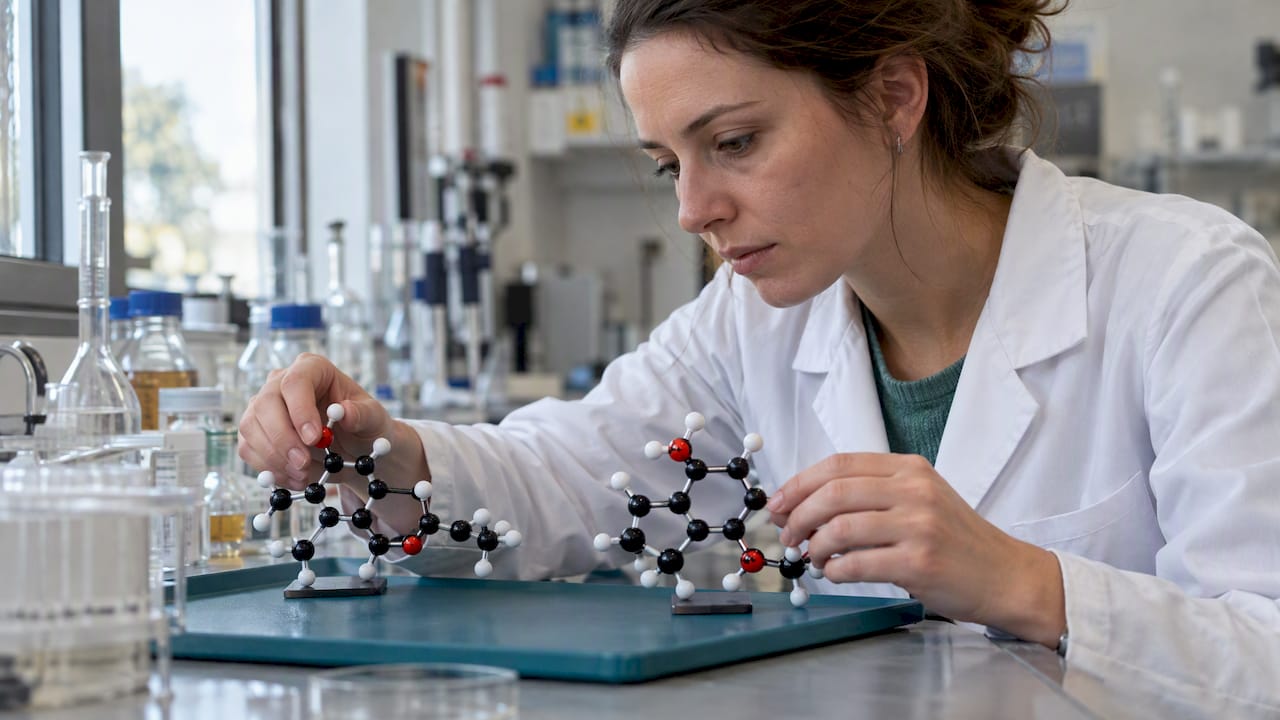
THCP, or tetrahydrocannabiphorol, owes its potency to an almost trivial structural detail: its side-chain alkyl group has seven carbon atoms, compared to five in conventional Δ9-THC. This difference of two carbon atoms changes everything. It allows the molecule to bind more deeply to the CB1 receptor in the endocannabinoid system—the receptor that regulates pain, appetite, and mood, among other things—and whose chemical structure directly modulates the molecule’s affinity and perceived potency.
The study that put this compound on the scientific map was published in 2019. Published in Scientific Reports, it isolated Δ9-THCP and measured an affinity for the CB1 receptor significantly higher than that of Δ9-THC, with tests conducted on mice showing marked cannabimimetic effects: hypomotility, analgesia, catalepsy, and a drop in body temperature. It was these results that popularized the idea of a molecule with a binding affinity for the CB1 receptor far greater than that of conventional THC.
This figure warrants an explanation. It reflects a measure of binding affinity in the laboratory, not an automatic multiplier of the effect experienced in humans. In other words, a molecule that binds more strongly to its receptor does not necessarily produce a sensation 33 times more intense once consumed. Translating a test-tube result into a clinical effect remains a delicate process, one that is extensively documented in the literature on cannabinoids.
Another important point to note: THCP is present in trace amounts in the cannabis plant. Virtually all commercial products containing it are therefore produced through laboratory concentration or conversion processes, which makes third-party testing essential to determine the actual dosage administered.
What Is THCA: Its Role in the Plant, Decarboxylation, and Potential Effects
THCA, or tetrahydrocannabinolic acid, is the raw form naturally produced by the cannabis plant. It is a precursor, not an active compound: as long as it remains in this acidic form, it has no psychoactive effects, regardless of the amount consumed.
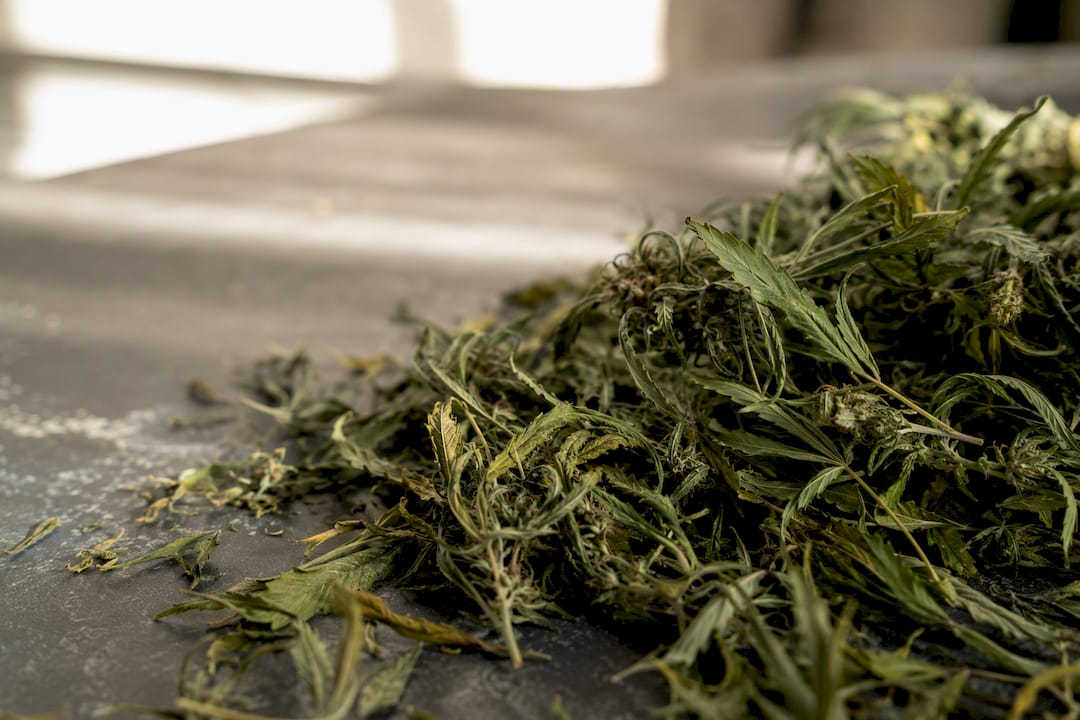
The transformation occurs when heat is applied. When a THCA-rich flower is smoked, vaporized, or cooked, the molecule loses a carboxyl group through a process called decarboxylation, thereby becoming Δ9-THC, the well-known psychoactive compound. Research on cannabinoid biosynthesis confirms this mechanism: the plant first produces acidic forms, and it is heat that unlocks their psychoactive potential.
This mechanism explains why a raw cannabis flower—whether chewed or cold-pressed into juice—does not produce any noticeable intoxicating effects. It also explains why some users are interested in THCA in its unheated form, hoping to benefit from the potential properties unique to the acid molecule—an area where human data remains limited.
On the market, THCA is found primarily in three product categories:
- Raw flowers, in which the THCA content far exceeds that of the Δ9-THC that has already formed.
- Resins and concentrates, which preserve the molecule in its acid form prior to processing.
- Extracts intended for consumption cold, designed to prevent any activation.
Once heated, THCA behaves much like conventional THC. The main difference lies in the starting point: a THCA-rich product that has been properly tested provides clear traceability from the raw state to the active state, which makes it easier to control the dosage.
THCA and THCP: What a Comparative Chart Shows
Placing the two molecules side by side makes it easy to see where the real differences lie, beyond the mere question of potency.
| Criteria | THCA | THCP |
|---|---|---|
| CB1 Affinity / Potency | Inactive in its raw form; comparable to Δ9-THC once activated | Very high, higher than Δ9-THC according to in vitro and in vivo data |
| Requires heat activation | Yes, through decarboxylation | No, active right away |
| Common product forms | Raw flowers, resins, cold extracts | Infused flowers, vape cartridges, concentrates |
| Onset and Duration of Effects | Fast if smoked or vaporized (immediate activation); varies depending on the method | Often takes effect quickly when vaped; effects are reported to be longer-lasting and more intense |
| Key Risks | Similar to those of standard THC once activated | Marked sedation, possible anxiety, rapidly increasing tolerance |
| Legal Status / Compliance | Within the current Δ9-THC thresholds | Regulatory zone is more uncertain; must be verified on a case-by-case basis |
Some categories remain deliberately conservative: human data on THCP are still scarce, and regulatory thresholds for newer derivatives change regularly. In both cases, only an independent laboratory analysis (COA) can confirm the actual composition of a given product before purchase.
Differences in effects: perceived potency, onset, duration, and side effects
The experience with THCP differs significantly from that of activated THCA, and this difference lies as much in the intensity as in the nature of the sensations. Users of THCP products often report a heavy physical effect, similar to deep sedation, which sets in more quickly than with a traditional THC product and can be surprisingly intense even in small amounts.

Once decarboxylated, THCA produces a profile of effects that is generally comparable to that of standard Δ9-THC: euphoria, relaxation, and sometimes a slight alteration in sensory perception. There is nothing extraordinary about it compared to a product containing conventional THC, which makes it a more predictable point of reference for those new to these compounds.
👉 Key points to remember about side effects:
- THCP is associated with an increased risk of anxiety and panic attacks, particularly at high doses.
- Clinicians interviewed by the specialized press report cases of acute anxiety and tachycardia among users of new derivatives such as THCP, urging caution regarding these compounds, which are still poorly documented.
- Tolerance to THCP appears to develop quickly, leading some users to increase their doses without always realizing it.
- Activated THCA generally shares the risk profile of conventional THC, with no specific cause for concern identified to date in the available literature.
Individual variability plays a central role in this equation. Body weight, metabolism, prior experience with cannabis, and concurrent use of other substances or medications significantly alter the response to each of these two molecules. A person new to cannabis who tries a product containing concentrated THCP faces a significantly higher risk of a bad experience than a regular user accustomed to Δ9-THC.
From a cardiovascular perspective, caution is also warranted. An increase in heart rate—already documented with high doses of conventional THC—could be amplified by a compound with higher CB1 affinity, such as THCP, although specific clinical data are still lacking to confirm this with certainty. To explore this topic further, our article on the effects and actual potency of THCP details the precautions you should be aware of before trying it for the first time.
Legality and Compliance: What to Check Before Buying
The legal framework for cannabinoids such as THCA and THCP in France is based on an evolving regulatory oversight system, governed in particular by the laws on narcotics available on Légifrance and closely monitored by the National Agency for Medicines and Health Products Safety (ANSM). The basic rule remains the same as for CBD: a finished product must comply with the applicable Δ9-THC thresholds in order to be legally marketed.
The problem with newer derivatives like THCP is that the regulatory framework hasn’t always anticipated their existence. French health authorities are actively monitoring these new compounds, and the situation is changing rapidly from one month to the next, which requires constant vigilance on the part of both sellers and consumers.
In practical terms, before making any purchase, a few simple checks can help you rule out most questionable products:
- Require a certificate of analysis (COA) issued by an independent laboratory that is dated and legible.
- Verify that the stated Δ9-THC level complies with current legal limits.
- Verify the origin of the hemp used and ensure the traceability of its cultivation.
- Be wary of any therapeutic or medical claims, which are strictly prohibited for this type of product.
- Systematically rule out outlets that do not publish any independent analysis.
To gain a deeper understanding of the legal and scientific foundations that distinguish these molecules from CBD, our article on the differences between CBD and THC in France provides a useful framework. A product without clear documentation—regardless of its price—should never make it into your shopping cart.
How to Activate THCA and Consume THCP Safely
Activating THCA requires maintaining a specific temperature range. If the heat is too low, the molecule won’t convert; if it’s too high, it will burn the terpenes and degrade the aromatic experience. Here are the steps to follow for controlled decarboxylation:
- Break the flower or resin into even-sized pieces for even heating.
- Spread it out on a baking sheet, making sure there are no clumps, to prevent any areas from overheating.
- Heat in the oven at a temperature between 105 °C and 115 °C for 30 to 45 minutes, depending on the product’s moisture content; this temperature range preserves terpenes better than direct combustion.
- Let it cool before packaging; the activation process continues slightly as it cools.
With THCP, the safety guidelines are different because the molecule is already active. Microdosing is therefore the golden rule: start with a very small amount, wait at least an hour before taking more, and make sure to have this first experience in a familiar and safe environment. Under no circumstances should you drive or engage in any activity that requires alertness in the hours that follow.
Pro tip: Before trying a THCP product for the first time, plan for an evening where you have no obligations the next morning. The reported sedative effects and duration of action often exceed those of a traditional THC product, so it’s best not to be caught off guard.
Whether you're buying THCA or THCP, the pre-purchase verification process remains the same: a current COA, a clearly specified extraction method, and a seller who can clearly answer your questions about the product's composition.
Which one should you choose based on your profile and tolerance?
The right choice depends less on the “strongest” molecule than on your goal and your experience with cannabis. A user looking for mild, predictable relaxation will likely opt for a product with a moderate dose of activated THCA, whose effect profile remains similar to that of traditional THC. An experienced user with a high tolerance who is seeking a more pronounced effect may consider THCP, provided they are willing to exercise greater caution.
Before making any purchase, here's a short but useful checklist:
- Check your personal medical history, including any cardiovascular or psychiatric conditions.
- Review your current medications to rule out any risk of drug interactions.
- Ask to see the product's COA and actually read it—don't just check that it exists.
- If you have any concerns about your health or current treatment, consult a healthcare professional before consuming this product.
For a beginner, the most sensible approach is often to start with low-dose CBD or THCA products, rather than jumping straight into a THCP concentrate. Our comparison of THCA, CBD, and THC can help you understand where each molecule fits into this progression.
What Scientific Studies Really Say
The 2019 *Scientific Reports* study remains the gold standard on THCP: laboratory-measured CB1 affinity, behavioral tests in mice, and results consistent with enhanced cannabimimetic activity. But it says little, if anything, about actual long-term human experience.
Reviews of the endocannabinoid system consistently point out that molecular structure explains a substance’s affinity for a receptor, but not the full extent of the clinical effect observed in a person. There remains a gap between test-tube experiments and the consumer’s actual experience—a gap that human research has not yet bridged.
It is precisely this margin that justifies the approach taken by Steven and the editorial team on this topic: cross-referencing laboratory data, available clinical feedback, and the transparency of certificates of analysis, rather than relying on a single, eye-catching figure.
Our Take on Responsible Consumption
When it comes to THCP, caution isn’t just a matter of attitude—it’s a pharmacological necessity. A compound with such high CB1 affinity deserves to be treated with the same rigor as a drug with a narrow therapeutic index: small doses, a transparent seller, and systematic COA testing.
THCA, on the other hand, offers a clearer picture, provided you understand the decarboxylation process. Our advice remains simple: always choose sellers who publish their lab results without being asked, and don’t hesitate to seek medical advice if you have underlying health conditions.
— Steven
Find tested and compliant products at Pure-extract-cbd
Choosing between THCA and THCP first requires knowing exactly what’s in the product you’re holding—and that’s where most online stores fall short. Pure-extract-cbd publishes the certificates of analysis for each product—whether flowers, oils, or resins—so you know the actual cannabinoid content before you even place your order.

The product line includes both CBD flowers—such as Northern Light in small buds, for those who prefer a non-intoxicating option—and resins and oils for other uses. Each product page details the composition, the origin of the hemp, and the lab results, and customer service is available to answer your questions before you make a purchase, whether regarding dosage or legal compliance.
Before deciding between a flower high in THCA or another cannabinoid, take the time to browse the entire tested catalog and compare the lab reports available for each product. This is the best way to make an informed choice and avoid any unpleasant surprises when your order arrives.
This article is intended to provide general information and is not a substitute for the advice of a qualified healthcare professional. Consult a qualified healthcare professional about your specific situation before taking any action based on this content.
Sources
- A novel phytocannabinoid isolated from Cannabis sativa L. with in vivo cannabimimetic activity greater than that of Δ9-tetrahydrocannabinol: Δ9-Tetrahydrocannabiphorol
- The Endocannabinoid System: Essential and Mysterious (Review)
- HHC Banned: What Are H4CBD and THCP, These New Cannabis Derivatives? – AlloDocteurs