
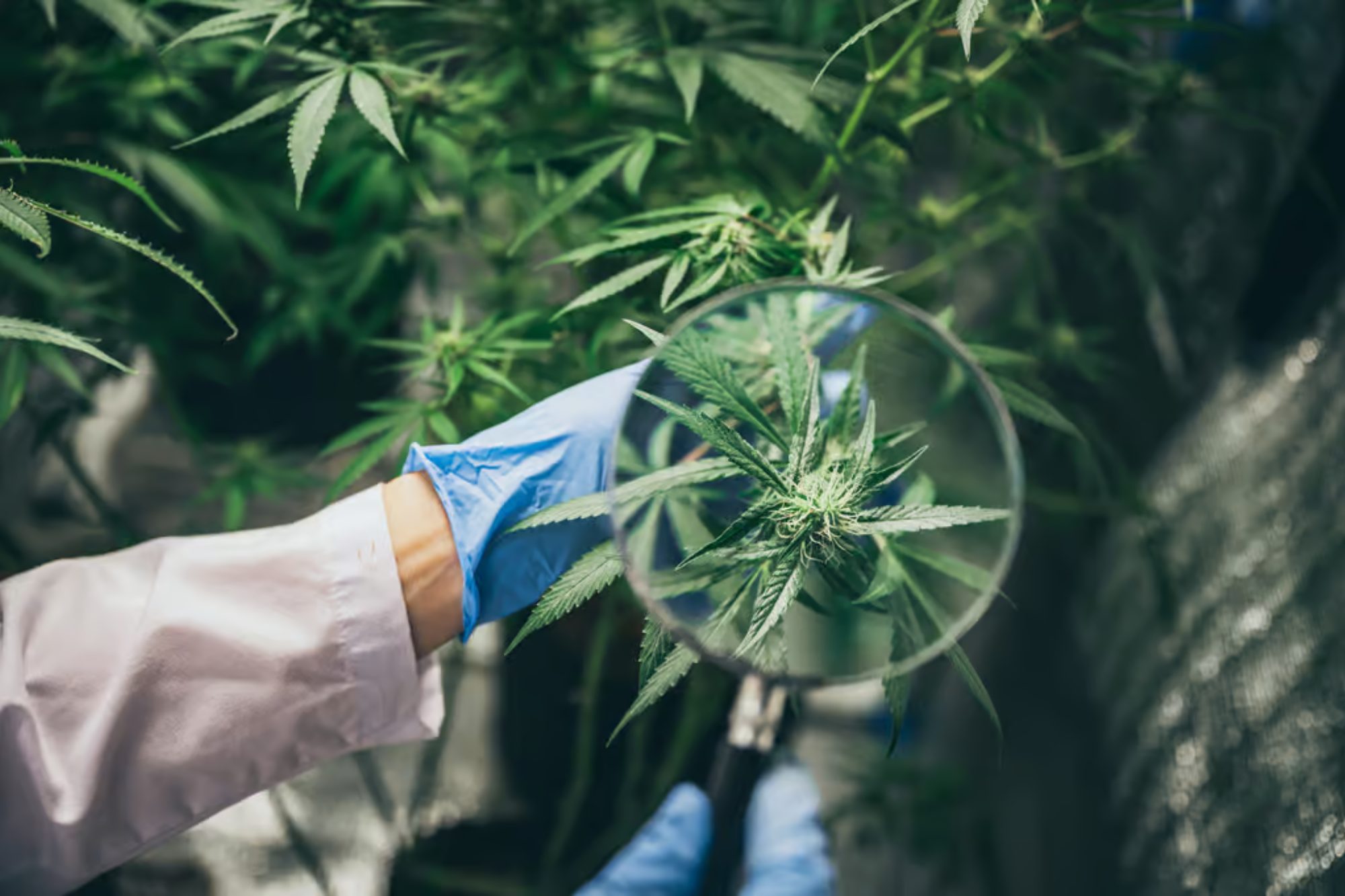
A general overview of the world of cannabinoids immediately brings to mind a plant that is thousands of years old: hemp (Cannabis sativa L.). Yet the universe of molecules extracted from hemp goes far beyond the few best-known compounds, such as CBD and THC. There are now over a hundred identified cannabinoids, each with its own chemical profile, potential effects and metabolic pathways. In this guide, you'll find a detailed overview of the main cannabinoids that are attracting growing interest: the CBDand CBGCBDa, THCa THCVand HHCand HHCPOand THCP and 10-OH. All these names may seem mysterious at times, but each molecule conceals a pharmacological or recreational interest, as the case may be, that fascinates researchers, consumers and health professionals alike.
It is estimated that, worldwide, between 200 and 300 million people use cannabis in some form (United Nations Office on Drugs and Crime report, 2021). Among these users, a growing number are turning to products based on non-psychoactive or low-psychoactive cannabinoids, notably CBD (cannabidiol). At the same time, scientific research is leading to the emergence of new compounds such as THCV (tetrahydrocannabivarin), THCP (tetrahydrocannabiphorol) and synthetic or semi-synthetic hydrogenated molecules such as HHC (hexahydrocannabinol) and HHCPO (HHC-O or HHCPO, depending on the nomenclature used). Each has its own specific mechanism of action and potential applications.
In this guide, you're at the heart of an in-depth analysis, packed with statistics and scientific research findings, detailing the nature of each cannabinoid, its effects, its potential legality, its consumption patterns and the prospects it offers. All this knowledge may seem very dense, even confusing. However, a better understanding of the diversity of cannabinoids will enable you to make more informed choices, especially if you're considering their use for well-being or simply to satisfy your curiosity.
The basis: the endocannabinoid system
To grasp the impact of each cannabinoid, it's essential to understand their main anchor point in the human organism: the endocannabinoid system (ECS). This system, discovered in the 1990s, is made up of receptors (notably CB1 and CB2), endogenous endocannabinoids (anandamide and 2-AG) and synthesis and degradation enzymes.
- CB1 receptor: Present mainly in the central nervous system (brain and spinal cord), it is also detected in peripheral tissues (liver, adipose tissue, muscular system). CB1 activation is often associated with the psychoactive effects of cannabinoids such as THC.
- CB2 receptor: Located mainly in the immune system and on certain cells of the peripheral nervous system, it plays a crucial role in modulating inflammation and the immune response.
Plant-derived cannabinoids (phytocannabinoids) interact with these receptors, sometimes directly (agonist or antagonist), sometimes indirectly (modulation). Each molecule has an "affinity profile" for these receptors: some preferentially target CB1, others act more on CB2, some bind partially, others have an impact on metabolic enzymes. The effects you experience, whether sedative, euphoric, relaxing, analgesic or other, are the result of this nuanced chemical interaction.
Knowledge of the SEC has paved the way for increasingly targeted research into a wide range of pathologies: epilepsy, chronic pain, neurodegenerative disorders, anxiety disorders and more. More and more studies are appearing in international scientific journals (such as "Pain", "Epilepsy & Behavior", or "Neurotherapeutics") to document the impact of phytocannabinoids and their synthetic analogues on in vitro and in vivo models.
CBD (cannabidiol)
Nature and extraction
CBD, or cannabidiol, is probably the second most famous cannabinoid after THC. Discovered and isolated in the 1940s, it is now the subject of massive interest in the fields of wellness, cosmetics and pharmaceutical research. Unlike THC, it has no noticeable psychoactive effect, making it attractive to the general public.
CBD is present in varying concentrations in the hemp plant. In some varieties for industrial use (agricultural hemp), the content can be as low as 3-4%, while in specialized cultivars it can exceed 15-20%. Extraction techniques (supercritical CO2, ethanol extraction, etc.) have made significant progress, making it possible to obtain pure CBD or full-spectrum extracts including other cannabinoids and terpenes for an optimal entourage effect.
Pharmacological properties
Research shows that CBD acts as a modulator not only of CB1 and CB2 receptors, but also of other receptors and ion channels in the body, such as 5-HT1A (serotonin) and TRPV1 receptors. This multi-target action would partly explain its potential effects on pain relief, anxiety or even serotonin regulation.
According to a 2017 World Health Organization (WHO) report, CBD is well tolerated in humans, with no risk of addiction, and has interesting potential for epilepsy (including Dravet syndrome), multiple sclerosis and other neuro-inflammatory disorders.
Statistics and popularity
In France, an Ipsos study (2021) estimated that around 10% of the adult population had already tried CBD-based products, ranging from sublingual oils to dried flowers and herbal teas. In the U.S., the CBD market exceeded $2 billion in sales in 2020, and forecasts suggest double-digit growth for years to come.
Key points
- No major psychoactive effects
- Broad spectrum of potential applications
- Increasing popularity
- European legislation: tolerated below a certain THC level (0.3% in France)
CBG (cannabigerol)
Origin and pioneering role
CBG, or cannabigerol, is often referred to as the "stem cell" of cannabinoids. Indeed, the plant first synthesizes CBGA (cannabigerolic acid), which is then transformed into THCA, CBDA or CBCA, depending on the enzymatic pathway. CBG is therefore an essential precursor. It is less abundant than CBD or THC in most cannabis varieties (often less than 1% of cannabinoid composition). However, specialized cultivars with high levels of CBG are beginning to appear.
Properties and mechanisms of action
Preclinical studies suggest that CBG may have neuroprotective, anti-inflammatory and anxiolytic properties. Research published in the journal Neurotherapeutics in 2015 showed that CBG had potential in Huntington's disease, modulating glial activation and protecting neurons.
CBG also appears to have an affinity for the alpha-2 adrenergic receptor, involved in modulating blood pressure and stress response. Some studies indicate a possible action on the proliferation of certain cancer cells, although these results remain experimental and require further clinical trials to be confirmed.
Consumer trends and legality
CBG is beginning to be offered in the form of oils, flowers or resins on specialized markets. Like CBD, it is legal in many countries when the THC content complies with legislation. CBG is often described as having a "clearing effect" and an energizing feel, although experiences vary from person to person.
CBDa (cannabidiolic acid)
An acid cannabinoid
CBDa, or cannabidiolic acid, is the acid form of CBD, present in its raw state in the plant prior to any decarboxylation process. When the plant is heated (for example, during combustion, vaporization or prolonged drying at high temperature), CBDa loses a carboxyl group (COOH) and is converted to CBD.
Potential properties
In vitro and in vivo studies suggest that CBDa may have anti-inflammatory effects, notably via modulation of the COX-2 enzyme. A 2013 publication in the British Journal of Pharmacology also highlighted CBDa's possible action on the 5-HT1A receptor, involved in the regulation of nausea and anxiety.
Some manufacturers of hemp-based products are beginning to offer "raw" extracts to preserve CBDa, believing it to have a complementary or more "natural" effect than the decarboxylated form. However, it remains less popular than CBD, probably due to its lack of notoriety and instability (it decarboxylates easily in heat).
Scientific data and outlook
There are still relatively few clinical studies on CBDa, but the craze for "raw" products suggests that we could see more research in the next few years. The "raw CBD" market is still marginal, but could grow.
THCa (tetrahydrocannabinolic acid)
Structure and transition to THC
Just as CBDa is the precursor of CBD, THCa is the precursor of THC. Present in the raw cannabis plant, THCa is converted to THC by heat (decarboxylation). THCa is not considered psychoactive when consumed as is, as its structure does not bind significantly to CB1 receptors in the brain.
Medicinal properties and benefits
Preliminary research suggests that THCa may have anti-inflammatory, neuroprotective and antiemetic (anti-nausea) properties. The anti-inflammatory effect is thought to be mediated by an action on oxidative stress and certain markers of inflammation. Studies on animal models of Parkinson's disease and other neurodegenerative disorders have shown promising results.
Legal status
THCa is legal as long as it is not converted into THC. In countries where THC remains strictly controlled, the distinction can be subtle: the moment THCa is heated, it releases THC. Regulations vary from country to country, but in France and other European countries, it's the final THC level that determines legality.
THCV (tetrahydrocannabivarin)
A structure similar to THC, but with different effects
THCV is distinguished from THC by a shorter side chain in its molecular structure. This difference may seem minimal, but it significantly alters THCV's affinity for CB1 and CB2 receptors. It is found in small quantities in certain varieties of cannabis, often originating in Africa or South-East Asia.
Effects and actions on appetite
THCV is sometimes referred to as a "diet cannabinoid", as some studies suggest that, at low doses, it partially blocks the CB1 receptor, which may reduce appetite. At higher doses, however, it may activate it slightly, leading to moderate psychoactive effects. This "biphasic" effect intrigues researchers, particularly for applications in weight regulation and blood sugar management in diabetic patients.
A pilot clinical trial (published in "Diabetes Care" in 2016) showed that THCV could improve insulin sensitivity in patients with type 2 diabetes. Although the results are preliminary, there is a great deal of interest in this therapeutic avenue.
Popularity and available products
THCV remains relatively rare and expensive to extract. However, some laboratories are developing THCV-rich hemp varieties or offering isolates. On the consumer market, it can be found in a few oils and specialized vape cartridges.
HHC (hexahydrocannabinol)
Semi-synthetic origin
HHC is a hydrogenated cannabinoid obtained through a chemical process called hydrogenation, often applied to THC or other cannabis extracts. Discovered in the 1940s, it has been the subject of limited research until recently. Its renewed popularity stems from the fact that it has similarities to THC in terms of structure and potentially effects, but with some notable differences.
Potential effects
User testimonials describe a moderately psychoactive effect, slightly less potent than delta-9-THC, but more stable, as HHC is less susceptible to degradation by heat and light. It may offer a sensation of euphoria, body relaxation and mood elevation, without however reaching the intensity of classic THC.
To date, few toxicological or clinical studies are available to accurately assess HHC's safety profile. Initial research indicates, however, that it binds to CB1 and CB2 receptors. Its legal status remains complex: in some countries or states, HHC is not explicitly prohibited, which attracts a public eager to circumvent THC restrictions.
Markets and trends
HHC has gained popularity in online stores offering so-called "alternative" cannabinoids. Electronic cigarette cartridges, oils and even flowers impregnated with HHC are now available. Authorities in several countries are beginning to look into its regulation, as they have done for delta-8-THC and other derivatives.
HHCPO (also known as HHC-O or HHC-PO)
An HHC derivative
HHCPO is an acetylated or phosphorylated (depending on the process) version of HHC. Its name may vary according to the laboratory and the precise chemical formula: HHC-O, HHC-PO, etc. The idea behind these derivatives is to increase the bioavailability or stability of the parent molecule (HHC).
Effects and pharmacological profile
Because it is even more recent than HHC, very little scientific data is available. User testimonials on specialized forums often report a stronger or faster effect than "classic" HHC. Chemical derivatization processes can modify the molecule's affinity for endocannabinoid receptors and the speed at which it crosses the blood-brain barrier.
However, the lack of in-depth studies makes us cautious. HHCPO's safety profile is difficult to confirm with any certainty. Health authorities in a number of countries may soon give their opinion on this cannabinoid.
Points to watch
- Rare toxicological studies
- Variability of product purity on the market (risk of solvent residues, reaction by-products)
- The need to keep abreast of regulatory developments to stay within the law
THCP (tetrahydrocannabiphorol)
Recent discovery
THCP was identified by Italian researchers in 2019 (published in the journal "Nature Scientific Reports"). Its discovery aroused great interest because it has an affinity for the CB1 receptor some 30 times greater than that of conventional THC (delta-9-THC).
Structure and affinity
The key difference lies in the length of the molecule's alkyl chain: THCP has a 7-carbon chain instead of 5 for conventional THC. This chemical modification gives it a markedly increased affinity for endocannabinoid receptors, which could lead to potentially more potent psychoactive effects.
In in vitro studies, THCP has demonstrated much higher activity than THC on CB1 and CB2 receptors, but human clinical studies are still virtually non-existent. The supposed potency of THCP suggests that even small quantities could induce intense effects.
Therapeutic potential and risks
Some scientists see therapeutic potential, as a higher affinity for receptors may mean that a lower dose is required to achieve a drug effect. Others fear the risk of marked side effects (anxiety, tachycardia, etc.) if dosage is not controlled. In the absence of conclusive clinical research, caution remains the watchword.
A few products are beginning to appear on the market, often marketed as "THCP + minor cannabinoid blends". It's crucial to check the seller's reputation and the quality of laboratory analyses, as the potency of THCP raises the question of ultra-precise dosage.
10-OH (10-hydroxy-THC or 10-hydroxy-Δ9-THC)
THC metabolite
10-OH, sometimes referred to as 10-hydroxy-THC, is known to be a metabolite of THC in the body. When THC is consumed, the liver metabolizes it into 11-OH-THC and 10-OH-THC. But it can also exist as a synthetic cannabinoid, produced in the laboratory.
Effects and metabolic pathway
11-OH-THC is often cited as the main active metabolite of THC, particularly when ingested (e.g. in edible products). 10-OH-THC is less well studied, but blood tests show that it also appears in users. Its role in the intensity and duration of psychoactive effects remains partially elucidated.
Some laboratories are working to isolate metabolites or produce stable versions to study their specific pharmacological effects. For the moment, 10-OH-THC is mainly mentioned in the context of toxicology and basic research into THC metabolism.
Potential use
To date, there is no real market specifically for 10-OH-THC, unlike THC or HHC. However, the development of research into THC metabolites could eventually identify specific medical interests. As with other exotic cannabinoids, data remains patchy.
The entourage effect and cannabinoid synergy
An important concept to consider is the entourage effect. Popularized by scientist Raphael Mechoulam and others, it suggests that the various cannabinoids, terpenes and flavonoids present in the plant act synergistically, amplifying or modulating each other's effects.
- Functional synergy: CBD, for example, can alleviate some of THC's side effects (such as anxiety or tachycardia) when taken together.
- Enzyme modulation: some cannabinoids can influence SEC enzymes, modifying the degradation of other molecules.
- Terpenes: Aromatic compounds such as myrcene, limonene and beta-caryophyllene also play a key role, modulating cell permeability and receptor affinity.
Understanding these synergies is crucial to formulating products with more harmonious or targeted effects. For example, a balanced ratio of CBD and THC, accompanied by appropriate terpenes, can offer both a relaxing and therapeutic effect profile, while minimizing the risk of over-stimulation.
Statistics on research and therapeutic uses
- Chronic pain: According to a 2020 report published in the "Journal of Pain", around 64% of medical cannabis patients in the USA use it primarily to relieve chronic pain. Cannabinoids such as CBD, THC, CBG and potentially THCV could play a role in pain modulation.
- Epilepsy: The European Medicines Agency (EMA) has approved a purified form of CBD (Epidiolex) for certain forms of severe epilepsy. Data show a significant reduction in seizure frequency in some patients.
- Anxiety disorders: according to a 2019 meta-analysis in "The Permanente Journal", CBD could reduce anxiety in patients with generalized anxiety disorder or post-traumatic stress. The samples remain limited, but the results are encouraging.
- Metabolic applications: THCV is attracting attention for its potential impact on blood sugar regulation. Preliminary research shows a positive modulation of insulin sensitivity.
These statistics and research findings testify to a global interest in cannabinoids for medical purposes. The institutionalization of clinical research on the subject is progressing, despite the legal complexities surrounding cannabis and its derivatives.
Legal and regulatory aspects
Cannabinoids such as CBD or CBG are often legal as long as THC levels remain below 0.2% or 0.3% (depending on legislation). In France, the limit has been raised from 0.2% to 0.3% by recent legislation, bringing regulations into line with the European average.
For the more potent and less well-known cannabinoids (THCP, THCV, HHC, etc.), legal vagueness is often the rule. In some countries, these substances are not explicitly listed as illegal, as the legislation has not yet been updated. Authorities may nevertheless consider that they fall within the scope of existing legislation if they are deemed to be too close to THC or considered to be analogues.
The rapid development of these "new" cannabinoids is forcing regulatory authorities to regularly revise their lists of controlled substances. In the United States, states such as California and New York have already taken steps to regulate or ban the sale of derivatives such as delta-8-THC and HHC. In Europe, the trend is towards harmonization, but each country retains some room for manoeuvre.
Consumption patterns and best practices
Each cannabinoid can be consumed in different ways, with varying effects and bioavailability:
- Inhalation (vaporization, e-liquid, flowers): Provides a rapid effect, as cannabinoids pass directly into the bloodstream via the lungs. Ideal for quick relief of pain or anxiety, or for controlled recreational use.
- Sublingual route (oils, tinctures): Resorption through the buccal mucosa offers a more rapid effect than conventional oral ingestion, with peak action occurring in 15-45 minutes.
- Oral ingestion (edibles, capsules, herbal teas): The effect takes longer to build up (30 minutes to 2 hours) but lasts longer. Hepatic metabolism can convert part of the cannabinoid (case of THC → 11-OH-THC), sometimes modifying the intensity of the effects.
- Topical route (creams, balms): Cannabinoids penetrate the skin for localized effects, useful in certain cases of muscle or joint pain, or for dermatological problems.
For each mode of consumption, it is recommended to start with low doses, especially with little-known or poorly documented cannabinoids (HHC, THCP, etc.). Inter-individual differences are very marked: metabolism, weight, sensitivity, etc.
Importance of laboratory analysis and traceability
The craze for cannabinoid-based products has also led to the appearance on the market of products of uneven or even suspect quality. It's crucial to check:
- Certificates of Analysis (COA): These guarantee that the product has been tested by an independent laboratory, specifying the exact cannabinoid and terpene content, and the absence of contaminants (pesticides, residual solvents, heavy metals).
- Plant traceability: Hemp grown according to European standards, without harmful pesticides, certified organic or equivalent.
- Brand reputation: Read customer reviews, check the seller's seniority and the transparency of the information provided.
In the case of rare cannabinoids (THCP, HHC, HHCPO), these precautions are all the more essential as these molecules can be synthesized or chemically transformed, sometimes using aggressive solvents.
Future prospects and innovations
With the gradual legalization of medical and recreational cannabis in many countries, academic and private research is exploding. Start-ups and established laboratories are investing massively in :
- Genetic selection of new hemp varieties rich in CBG, THCV and even THCP naturally (using crossbreeding and advanced horticultural techniques).
- Biotechnology: Companies are using fermentation from genetically modified yeast to produce rare cannabinoids on a large scale, without relying entirely on the plant.
- Synthetic chemistry: derivatives such as HHCPO or delta-8-THC are at the heart of research into more stable, more targeted molecules, with fewer side effects.
Therapeutically, we can imagine drugs combining several precise cannabinoids and terpenes, dosed to the nearest milligram, to treat targeted conditions (neuropathic pain, inflammatory disorders, etc.). The challenge will be to obtain official approval via Phase I, II and III clinical trials, a long and costly process.
Practical, informed advice
For you, as a consumer or curious about cannabinoids, it's important to keep a few principles in mind:
- Get informed: Before trying a new product (THCV, HHC, etc.), consult reliable resources, read scientific studies and ask questions of health professionals familiar with herbal medicine.
- Start slowly: Especially with potent or poorly documented cannabinoids. The "low and slow dose" principle applies: start with a low quantity, then gradually increase if necessary.
- Monitor legal developments: The status of substances such as HHC and THCP can change rapidly. Stay informed to avoid legal problems.
- Focus on quality: Select brands that provide laboratory certificates, clear traceability and a good reputation.
By taking these precautions, you can take full advantage of the potential benefits of cannabinoids, while minimizing the risks.
A world in turmoil
You can see how the world of cannabinoids is expanding. While THC and CBD are still the best-known, you discover that other molecules, such as CBG, THCV, THCa and CBDa, are generating enthusiasm. Others, more exotic or semi-synthetic, such as HHC, HHCPO or THCP, reflect both the creativity of researchers and strong consumer demand for different experiences or effect profiles.
New discoveries are likely to be made in the next few years. New cannabinoids, or as yet unknown derivatives, could emerge, supported by ever more sophisticated extraction, synthesis or genetic modification techniques. From a medical point of view, each molecule holds a potential that has yet to be explored: neuroprotective, anti-inflammatory, anxiolytic or even anti-cancer properties.
Economic, legal and public health issues are all intertwined. Scientific research is now seeking to catch up with market growth, in order to provide clear data on the safety and efficacy of these molecules. For your part, you have the power to inform yourself and demand quality guarantees for any product you decide to test.
Whether you're an avid consumer, a patient looking for a natural alternative, or simply a curious enthusiast of cannabis chemistry, this world of cannabinoids deserves our undivided attention. It is the witness of a scientific and societal revolution around a plant that has been poorly understood for decades, if not centuries. Today, we're at the dawn of an era in which the intimate mechanisms of each molecule are revealed, enabling a more rational, better-documented approach to consumption.
Nothing is set in stone: regulations are evolving, research is deepening, mentalities are changing. This dynamic is particularly visible in Europe, where many countries are reviewing their legal approach to medical and even recreational cannabis. The United States operates at different speeds, depending on federal and state laws. Asia, which had remained highly repressive, is timidly beginning to open up (Thailand, for example).
In short, perhaps the best advice is to keep an open mind, while remaining vigilant. Cannabinoids are not a panacea, but they can offer avenues for wellness and pleasure, and contribute to the advancement of medical science. The fact that a hydrogenated cannabinoid like HHC, or an acid like THCa, can have particular effects, indicates the richness of this field. At the same time, it's essential to avoid the pitfall of sensationalism: rigorous studies are needed to validate the many claims we see circulating.
Your interest in these substances is part of an underlying trend. Consumers want to sleep better, manage stress, relieve chronic pain, or sometimes simply discover new experiences. Specialized stores, both physical and online, offer an ever-expanding range of products. Knowing how to read a label, understand the ratio of cannabinoids to terpenes, and check laboratory analyses are increasingly valuable skills.
Statistics show that the global legal cannabis market (all segments combined) could reach over $70 billion by 2028, according to some research institutes. Within this vast total, the share devoted to non-THC cannabinoids (CBD, CBG, etc.) and semi-synthetic derivatives (HHC, THCP) is growing rapidly. This evolution follows that of knowledge and research, in a retroactive loop where the market supports science and vice versa.
For you, the most important thing is to determine your objectives: are you looking for relaxing effects, help for a specific disorder, or simple hedonistic curiosity? Each cannabinoid has a unique profile, and it's by testing carefully or consulting professionals that you'll be able to refine your choice. Information is your best ally, enabling you to progress step by step in this rich and constantly changing universe.
The diversity of cannabinoids can be seen as a strength: there is potentially a molecule (or assembly of molecules) to suit every need or sensitivity. Full-spectrum preparations can offer this famous entourage effect, while isolates allow more precise control of dosage. Products artificially enriched with HHC or THCV open up other, sometimes more experimental horizons.
Bear in mind, too, that hemp is not just a "medicinal" or "recreational" plant: it is used to manufacture textiles, building materials and even bioplastics. Advances in our understanding of the hemp genome will undoubtedly enable the development of strains adapted to each use, including the targeted production of rare cannabinoids.
Ultimately, to talk about CBD, CBG, CBDa, THCa, THCV, HHC, HHCPO, THCP and 10-OH is to reflect the extraordinary creativity of nature and chemistry, and human ingenuity in harnessing the potential of the cannabis plant. You're probably at the beginning of a journey if you discover these molecules. Or perhaps you already have more advanced experience? In any case, this dive into the world of cannabinoids is an invitation to explore with discernment, relying on the most reliable data possible, and remaining receptive to legal and scientific developments.
Take the time to savor every step of this discovery. Whether it's for your own well-being, for medical reasons or simply out of curiosity, the cannabinoid pathway is a rich one. Each molecule has its own score in the symphony that is cannabis. Learning to distinguish between them, to understand them and to use them wisely, means entering a new paradigm, where the relationship between plant and human is redefined on a terrain of mutual knowledge, shared research and continuous innovation.



