
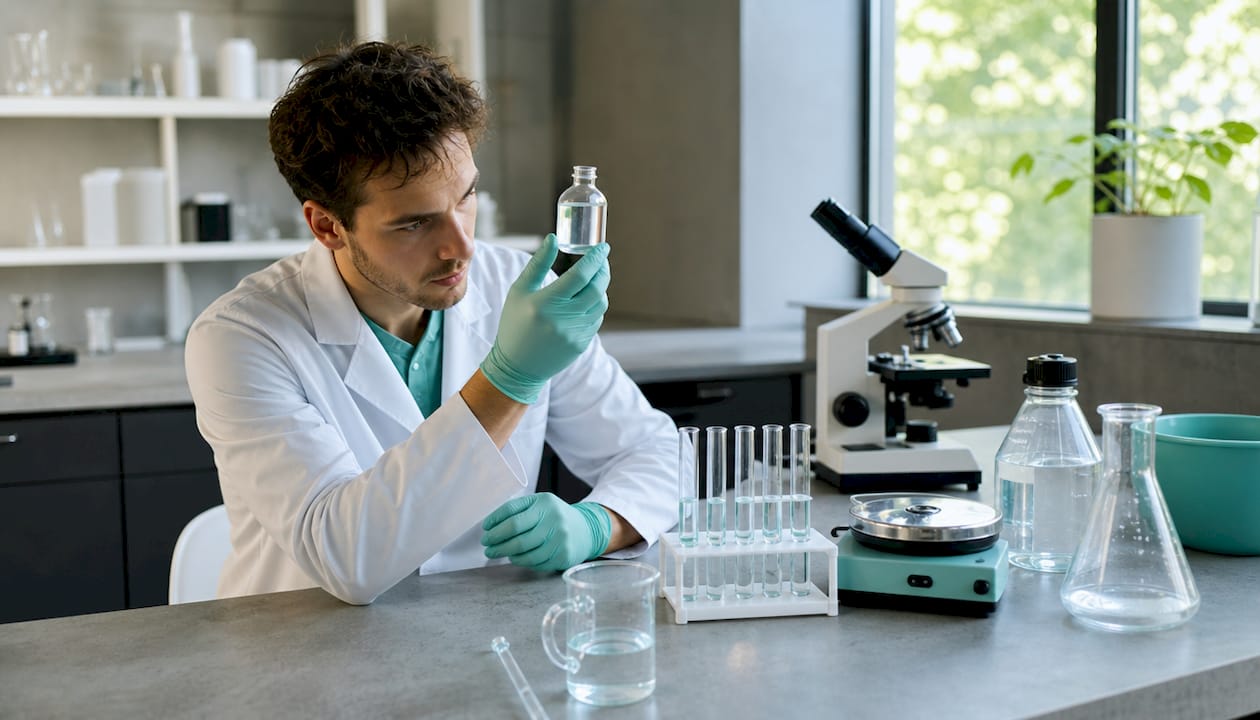
10-OH-HHC is defined as a semisynthetic cannabinoid derived from the chemical hydroxylation of HHC (hexahydrocannabinol). This molecule acts directly on the CB1 and CB2 receptors of the endocannabinoid system, producing moderate relaxing and euphoric effects. In the emerging cannabinoid market, 10-OH-HHC is generating growing interest, but also raising legitimate questions: no controlled clinical trials have yet been published on this molecule in humans. Its legal status varies across European countries, which requires constant vigilance on the part of any informed consumer.
What are the effects of 10-OH-HHC, based on the available data?
The effects of 10-OH-HHC are generally described as milder than those of THC, with a slight euphoria and a prolonged relaxing effect. The estimated duration of action ranges from 4 to 6 hours, depending on the method of administration. Because it lasts longer than standard CBD, it is particularly valued for managing stress and muscle tension.
Reported psychoactive effects
Consumers describe three main types of effects:
- Physical relaxation: progressive muscle relaxation, a pleasant sensation of heaviness, particularly noticeable in the evening.
- Mild euphoria: a state of mental well-being without the intense disorientation associated with delta-9 THC.
- Mild cognitive stimulation: Some users report increased mental clarity at low doses, an effect that is less common with standard HHC.
- High-dose sedation: Above a certain threshold, the effects shift toward pronounced drowsiness.
Compared to CBD, 10-OH-HHC has a significantly more psychoactive profile. Compared to THC, it causes less anxiety and paranoia, according to available user feedback. To better understand the effects of HHC, from which this molecule is derived, further reading is helpful.
Side Effects and Risks at High Doses
The most commonly reported side effects include: dry mouth, red eyes, mild tachycardia, and, at high doses, anxiety or temporary confusion. These side effects are consistent with those observed with other psychoactive cannabinoids. To put this into perspective, the side effects of CBD provide a useful benchmark for understanding the spectrum of individual tolerance.
Pro tip: Always start with the minimum effective dose and wait at least 90 minutes before taking any more, especially when taken orally. The effects of 10-OH-HHC set in gradually, and overconsumption due to impatience is the main cause of negative experiences.
What is the chemical structure of 10-OH-HHC?
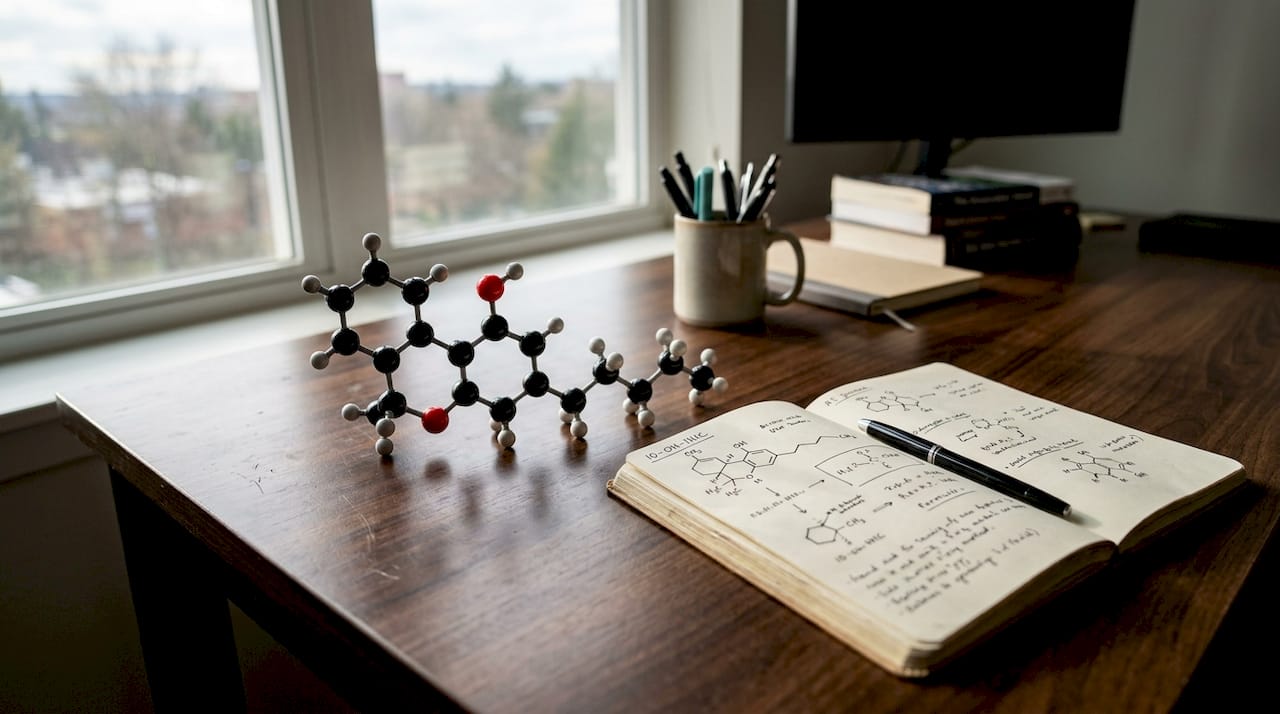
10-OH-HHC is produced through a hydroxylation process of HHC, that is, the addition of a hydroxyl group (OH) at the 10-position of the molecule. This chemical modification is achieved through oxidation in the laboratory, which classifies 10-OH-HHC as a semi-synthetic cannabinoid. The presence of this hydroxyl group alters its solubility and its binding to cannabinoid receptors compared to unmodified HHC.
Structural Comparison with Other Cannabinoids
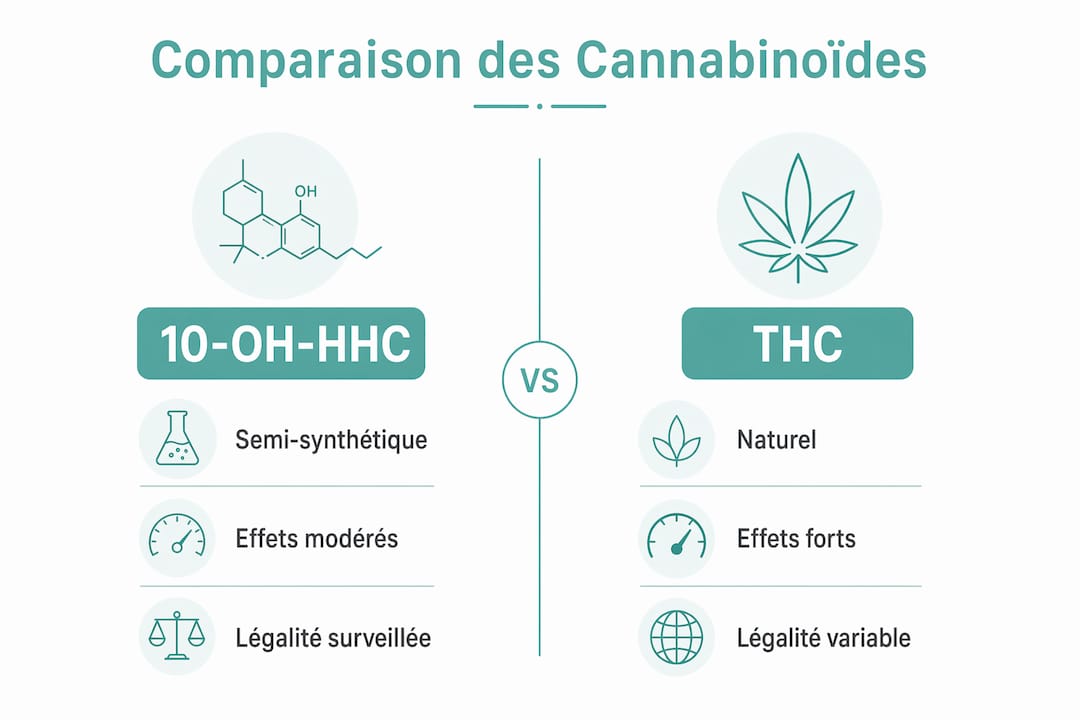
| Cannabinoid | Origin | Psychoactivity | Legal Status in France (2026) |
|---|---|---|---|
| CBD | Natural (hemp) | Non-psychoactive | Legal |
| HHC | Semi-synthetic | Moderate | Under supervision |
| 10-OH-HHC | Semi-synthetic | Moderate to high | Legal under certain conditions |
| Delta-9 THC | Natural (cannabis) | High | Prohibited (> 0.3%) |
From a pharmacological standpoint, the position of the hydroxyl group directly influences the molecule’s affinity for CB1 receptors, which explains its distinct effect profile. This structural difference compared to 8-OH-HHC, for example, produces noticeably different sensations. To explore this comparison further, 8-OH-HHC and its effects are the subject of a dedicated analysis on Pure-extract-cbd.
Pro tip: Always request a certificate of analysis (COA) issued by an accredited third-party laboratory. Internal analyses conducted by the manufacturer are not a sufficient guarantee of purity or compliance.
What is the legal framework for 10-OH-HHC in France and Europe?
The legal status of 10-OH-HHC is one of the most complex issues in today’s cannabinoid market. In France, the ANSM continuously monitors this compound, which remains legal provided that the 0.3% THC threshold is met, in accordance with European regulations on hemp. This conditional legal status does not imply that a health authority has validated its safety.
Regulatory Landscape in Europe
The situation varies greatly from one Member State to another:
- France: Legal under certain conditions in 2026, with active oversight by the ANSM and the possibility of rapid changes to the regulatory framework.
- Germany and Belgium: 10-OH-HHC and its THC analogs are explicitly prohibited and classified as controlled substances.
- The Netherlands and Luxembourg: ambiguous status, with differing regulatory interpretations depending on the local authorities.
- At the European level: 10-OH-HHC is monitored as a new psychoactive substance (NPS) by the European Monitoring Center for Drugs and Drug Addiction (EMCDDA).
The alleged legality of a product is merely a temporary loophole in the regulations. It does not constitute proof of safety validated by a public health authority.
The distinction between 10-OH-HHC and CBD is fundamental. CBD is a non-psychoactive cannabinoid whose legal status is well established in Europe. 10-OH-HHC, on the other hand, belongs to a category of molecules subject to increasingly strict regulatory oversight each year. All consumers should verify the current legal status in their country before making a purchase and ensure that products comply with the required THC limits.
What are the uses, precautions, and recommendations for 10-OH-HHC?
The use of 10-OH-HHC requires a cautious approach, particularly due to the lack of clinical data and the significant psychoactive effects of this compound. No long-term human safety data exists for this semisynthetic cannabinoid. This lack of information necessitates strict discipline in its use.
Practical Recommendations for Responsible Consumption
- Identify at-risk populations: minors, pregnant or breastfeeding women, and individuals with a history of psychiatric disorders should not consume 10-OH-HHC. This contraindication is strongly recommended by specialized healthcare professionals.
- Start with the lowest doses: In the absence of standardized clinical data, it is prudent to begin with the minimum amount indicated on the product. Guidelines on the amount of CBD to consume provide a useful framework for determining your cannabinoid intake.
- Check the Certificate of Analysis (COA): Savvy consumers insist on verifying the COA’s lot number as proof of compliance. This document must be issued by an independent, accredited laboratory, not by the manufacturer itself.
- Avoid mixing substances: Combining 10-OH-HHC with alcohol, benzodiazepines, or other psychoactive cannabinoids amplifies the sedative effects and increases the risk of serious adverse effects.
- Buy from verified sources: The market for synthetic cannabinoids suffers from a lack of standardization. A significant portion of these products may contain impurities or residual metals resulting from the synthesis process.
Pro tip: Store 10-OH-HHC-based products in a cool place away from light. Thermal degradation can alter the molecule’s chemical profile and produce byproducts with unknown effects.
How does 10-OH-HHC fit into the synthetic cannabinoid market?
10-OH-HHC has emerged as a popular alternative to THC in countries where THC remains illegal. Its popularity stems from an effects profile that is perceived as more manageable and from its temporary legal availability in several European markets. This rapid rise in popularity, however, has outpaced scientific research and regulatory frameworks.
The market for synthetic cannabinoids suffers from a structural lack of standardization. Studies of similar analogs show that a significant proportion of products may contain unacceptable contaminants, posing a risk to public health. This reality necessitates a rigorous selection of suppliers.
Key takeaway: The absence of evidence of toxicity is not evidence of safety. 10-OH-HHC is a newly identified compound whose long-term safety profile has yet to be fully established. European regulatory trends indicate increasing scrutiny of this class of substances, with potential restrictions expected in the coming years.
The future medical potential of 10-OH-HHC remains speculative. Preliminary research on structurally similar molecules suggests analgesic and anxiolytic properties, but no clinical studies on 10-OH-HHC itself have been published yet. Consumer education and vigilance are the best forms of protection in this context of uncertainty.
Key Points
10-OH-HHC is a semi-synthetic cannabinoid with moderate effects; its responsible use requires careful verification of certificates of analysis, knowledge of the applicable legal framework, and particular attention to at-risk populations.
| Point | Details |
|---|---|
| Mechanism of Action | 10-OH-HHC acts on the CB1 and CB2 receptors, producing relaxation and moderate euphoria. |
| Duration of effects | The effects last between 4 and 6 hours, depending on the route of administration. |
| Legal Framework in France | Legal in 2026 under the supervision of the ANSM, provided the 0.3% THC threshold is not exceeded. |
| Quality Risks | A significant portion of the products on the market may contain impurities or contaminants. |
| At-risk populations | Minors, pregnant women, and people with a history of psychiatric disorders should avoid this drug. |
What I Really Think About 10-OH-HHC After Years of Following This Market
10-OH-HHC perfectly illustrates the ongoing tension between chemical innovation and health precautions. This cannabinoid is entering the market with an appealing profile of effects and a facade of legality, but without the foundation of clinical data needed to evaluate it seriously.
What concerns me most is the speed at which these molecules are gaining popularity before science can catch up with them. Consumers rely on user reviews and laboratory analyses—which are often insufficient—to make informed decisions. The temporary legality of a substance says nothing about its actual safety.
That said, I’m not an alarmist. 10-OH-HHC offers an interesting profile of effects for people looking for an alternative to THC with fewer associated anxiety symptoms. But this promise needs to be verified by actual studies, not just online testimonials.
My practical recommendation: If you choose to consume 10-OH-HHC, do so only with products that have a COA issued by an independent accredited laboratory, and stay informed about regulatory changes in your country. The European legal framework governing these substances is highly volatile and can change rapidly.
— Steven
Pure-extract-cbd: Tested and Compliant Cannabinoids
For those who want to explore cannabinoids with the assurance of verified quality, Pure-extract-cbd offers a complete line of products made from organic hemp, all accompanied by certificates of analysis from accredited third-party laboratories.
Pure-extract-cbd is committed to transparency at every stage: raw material selection, manufacturing processes, and compliance with European legal limits. Every product complies with the 0.3% THC limit required by current regulations. Whether you’re looking for flowers, oils, or resins, the Pure-extract-cbd store offers you secure access to the entire product line, with fast shipping and customer service available to answer your questions.
Frequently Asked Questions
What exactly is the cannabinoid 10-OH-HHC?
10-OH-HHC is a hydroxylated derivative of HHC, produced by chemical oxidation in the laboratory. It acts on the CB1 and CB2 receptors of the endocannabinoid system and produces moderate psychoactive effects.
Will 10-OH-HHC be legal in France in 2026?
Yes, 10-OH-HHC will be legal in France in 2026 under the supervision of the ANSM, provided that the products comply with the 0.3% THC threshold. This status may change rapidly depending on future regulatory decisions.
What are the main side effects of 10-OH-HHC?
The most common side effects are dry mouth, red eyes, and mild tachycardia. At high doses, temporary anxiety or confusion may occur.
Are there any scientific studies on 10-OH-HHC?
No randomized controlled clinical trials on 10-OH-HHC in humans have been published. Current knowledge is based on anecdotal evidence and extrapolations from theoretical pharmacology.
How can you check the quality of a product containing 10-OH-HHC?
Require a certificate of analysis (COA) bearing a verifiable lot number, issued by an accredited third-party laboratory. Internal analyses conducted by the manufacturer do not constitute a sufficient guarantee of compliance or purity.
Recommendation
- 8-OH-HHC: What Is It? Effects and Comparisons with Other Cannabinoids. – Pure Extract CBD
- HHCpM: Everything You Need to Know About This Ultra-Powerful Synthetic Cannabinoid and Its Effects – Pure Extract CBD
- What is THV-N10? Discover this innovative and legal neo-cannabinoid
- HHC-P: Everything You Need to Know About This New Cannabinoid



