

Based on in vitro data and a pilot clinical trial, CBG appears to be a soothing and protective topical ingredient for the skin. The available evidence is based on skin safety studies, laboratory research on inflammatory cytokines, and a pilot trial using 0.1% CBG. These results are promising but preliminary; larger, standardized trials are needed before any definitive conclusions can be drawn.
In short:
- Studies on topical CBG indicate that it is non-toxic and does not cause sensitization, but the clinical evidence remains preliminary and is limited to a single pilot trial.
- In laboratory studies, CBG reduces the production of inflammatory cytokines, neutralizes free radicals, and may improve the skin barrier; however, these effects have yet to be confirmed in humans.
- The concentrations tested in clinical trials, such as 0.1%, have shown a reduction in redness and transepidermal water loss, but the studies remain small in scale.
- It may be effective for acne, eczema, dry skin, and protection against pollution, but no specific uses or definitive evidence have yet been validated.
- It is recommended to choose products derived from biosynthesis or plant extraction, ensuring their purity is verified, and to start with low concentrations.
Table of Contents
- What is CBG, and how does it affect the skin?
- What do studies on CBG and the skin show?
- For which skin conditions can CBG be helpful?
- In what forms and at what concentrations should CBG be used?
- What precautions should you take before using CBG on your skin?
- How does Pure Extract CBD approach quality and education regarding CBG?
- What Does the Future Hold for CBG in Skincare?
- Discover CBG products at Pure Extract CBD
- Frequently Asked Questions
- Sources
What is CBG, and how does it affect the skin?
Cannabigerol, or CBG, is a non-psychoactive cannabinoid found in hemp. It is often described as the chemical precursor to CBD and THC, as the plant converts it into these two molecules as it grows. Unlike THC, CBG does not produce any psychoactive effects, making it an attractive candidate for cosmetic formulations intended for daily use.
On the skin, CBG appears to interact with several regulatory systems. It partially binds to the CB1 and CB2 receptors of the endocannabinoid system, which are present in keratinocytes and skin immune cells. It also appears to interact with PPAR alpha and gamma receptors, which are involved in regulating inflammation and lipid metabolism, as well as with certain TRP channels and TLR receptors that modulate the skin’s immune response.
These interactions are thought to result in several biological effects observed in the laboratory:
- A reduction in the production of pro-inflammatory cytokines involved in redness and irritation.
- A reduction in oxidative stress through the neutralization of free radicals (ROS).
- Modulation of lipogenesis in sebocytes, the cells that produce sebum.
- A potential effect on enzymes associated with skin aging, such as matrix metalloproteinases.
These mechanisms, documented primarily in cellular models, explain why CBG is attracting growing interest in skincare. However, they do not guarantee equivalent clinical efficacy in humans, a point that the following sections help to clarify.
What do studies on CBG and the skin show?
The scientific evidence on topical CBG falls into three categories: safety studies, in vitro and ex vivo studies, and a pilot clinical trial. Each provides a different level of evidence, which must be distinguished before drawing practical conclusions.
The results indicate an absence of cytotoxicity, mutagenicity, sensitization, and phototoxicity in the tests conducted, which provides a reassuring basis for cosmetic use. A supplementary publication confirms these observations and specifies that the tested models showed no sensitizing or photosensitizing effects associated with CBG.
In vitro studies provide more detailed information on the mechanisms of action. A study of CBG produced by biosynthesis from yeast demonstrated inhibition of pro-inflammatory cytokines such as IL‑1β, IL‑6, IL‑8, and TNF‑α, along with a reduction in reactive oxygen species (ROS) and an inhibitory effect on enzymes such as elastase and tyrosinase, which are involved in skin aging and pigmentation. In several of these tests, CBG demonstrated effects superior to those of CBD, although this observation remains limited to the models studied and cannot be generalized without broader clinical confirmation.
A vehicle-controlled pilot trial tested a 0.1% CBG serum on about 20 subjects: it reported a reduction in skin redness and an improvement in transepidermal water loss (TEWL) compared to the placebo, a result that suggests a tangible effect on the skin’s barrier function.
Although these results are encouraging, they have methodological limitations that should be kept in mind:
- The sample size for the pilot study remains small, at around 20 participants.
- The observation period and the type of formulation tested are limited to this specific protocol.
- The source of CBG—whether it is extracted directly from the plant or produced through biofermentation—can affect the purity and reproducibility of the results.
- Commercial formulations vary widely from one product to another, which makes it difficult to compare them directly with the conditions tested in the laboratory.
The yeast-based biosynthesis process described in the study published in *Molecules* could yield purer and more readily available CBG isolates, thereby facilitating the conduct of better-controlled clinical trials in the future. Based on current knowledge, CBG therefore has a coherent but still limited body of evidence, which warrants cautious optimism rather than a claim of proven efficacy.
For which skin conditions can CBG be helpful?
The mechanisms identified in the laboratory and the results of the pilot study suggest several potential dermatological indications, although a validated use has not yet been established for each of them.
- Acne: CBG exhibits anti-inflammatory activity relevant to lesions associated with Cutibacterium acnes. However, a 2016 study published in *Experimental Dermatology* found that CBG can increase sebocyte lipogenesis, unlike other cannabinoids, which reduce it—a factor to consider depending on the skin type being treated.
- Eczema and dermatitis: The available data on the reduction in inflammatory cytokines and the improvement in TEWL observed in the pilot trial suggest potential benefits for skin prone to redness and chronic irritation—an area already explored in relation to CBD and atopic eczema.
- Dry skin and barrier repair: CBG appears to modulate certain genes related to skin hydration, including HAS2, which is involved in hyaluronic acid synthesis, and this could contribute to improved water retention.
- Protection against pollution and photo-induced damage: In vitro data indicate a reduction in certain inflammatory markers triggered by UV exposure, suggesting a protective role against environmental stress.
Pro tip: Combine CBG with other proven active ingredients, such as hyaluronic acid or ceramides, to strengthen the skin’s barrier function without increasing the risk of irritation.
The anti-aging approach warrants particular caution: the available evidence mainly concerns the inhibition of enzymes such as elastase in laboratory settings, and no clinical trial has yet measured a direct and lasting effect on wrinkles or skin firmness.
In what forms and at what concentrations should CBG be used?
CBG isolate offers a high concentration and is free of other cannabinoids, while CBG-enriched vegetable oils serve as a base for direct application. Formulated serums often combine CBG with other active ingredients in a water- or oil-based formula, and some products combine CBG and CBD in a broad-spectrum formula.
The pilot clinical trial mentioned above tested a 0.1% concentration of CBG in serum, a useful benchmark for evaluating products available on the market. Higher concentrations, which are sometimes marketed, have not undergone the same safety and efficacy testing, which calls for caution regarding unsubstantiated claims.
Here are a few practical tips to help you gradually incorporate CBG into your skincare routine:
- Perform a patch test on a small area before applying the product to a larger area.
- Start with a low concentration, similar to the one tested in the clinical trial, and then gradually increase it.
- Combine CBG with moisturizing and restorative ingredients such as glycerin or squalane to optimize the skin’s barrier function.
- Apply sunscreen during the day if the product is used while exposed to UV rays, as a general precaution.
- Reserve the more concentrated formulas for targeted use in the evening, when there is no direct sun exposure.
A simple routine involves applying the CBG serum in the evening to clean skin, then following up with a moisturizer. In the morning, gentle cleansing followed by sunscreen is usually sufficient, without layering on too many active ingredients.
What precautions should you take before using CBG on your skin?
The available topical tolerance studies are reassuring, but they do not eliminate the need for individual caution, as each person’s skin reacts differently to new active ingredients. The studies reporting an absence of cytotoxicity and sensitization were conducted under specific laboratory conditions, which do not always reflect the diversity of commercial formulations.
There are certain signs that should prompt you to stop using a CBG product:
- Localized redness or a sensation of warmth after application.
- Itching or unusual swelling in the treated area.
- The appearance of small pimples or a rash.
The simplest approach is to perform a preliminary patch test on a small area, such as the inside of the wrist, before applying the product over a larger area. People currently undergoing dermatological treatment—particularly with topical corticosteroids or immunosuppressants—should seek medical advice before adding a new active ingredient to their routine, as local interactions have not been specifically studied.
Choosing a reliable product also depends on its traceability. An independent certificate of analysis (COA) allows you to verify the actual CBG concentration, the absence of contaminants, and that the label matches the contents.
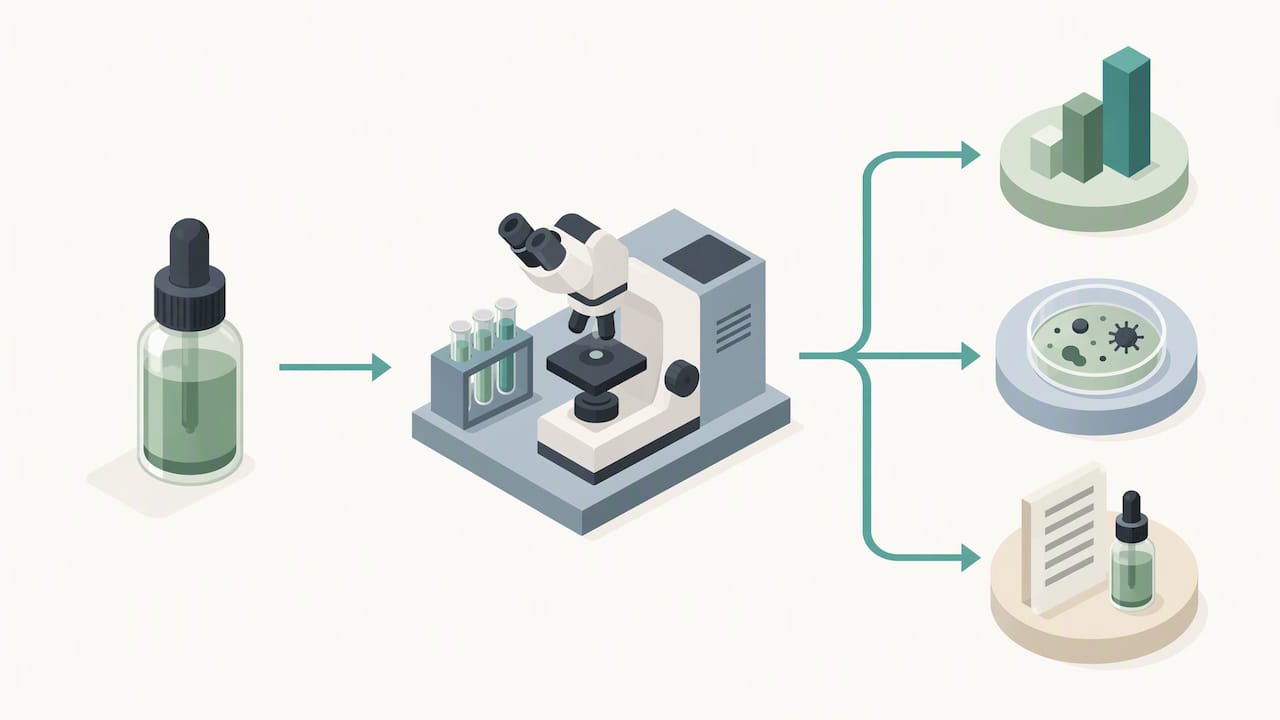
Pro tip: Choose products in which the CBG is derived from biofermentation or a clearly documented plant-based extraction process—two methods that offer greater reproducibility than unspecified processes.
How does Pure Extract CBD approach quality and education regarding CBG?
This online store specializes in CBD and legal cannabinoids, including CBG extracts, oils, and cosmetics made from organic hemp. Each product is accompanied by independent lab test results that guarantee the compliance and safety of the products offered.
In addition to the catalog, the website offers educational content designed to help users better understand cannabinoids, including a comparison of CBD, CBG, and CBN, and an article on CBD cosmetics. These resources help users understand how CBG compares to other compounds found in hemp before making a purchase.
Readers who wish to verify the origin or exact composition of a product are invited to consult the certificates of analysis available on each product page, or to contact customer service with any technical questions about a specific extract or formulation.
What Does the Future Hold for CBG in Skincare?
CBG occupies a unique position among cannabinoids: the preclinical data are robust, and the pilot study suggests real potential for addressing inflammation and barrier function. However, a single small-scale trial is not enough to transform a promising lead into an established clinical recommendation.
For consumers, practical caution takes precedence over enthusiasm: opt for laboratory-tested products, start with low concentrations, and monitor your skin’s reaction over several weeks. For formulators and researchers, the challenge lies in standardizing concentrations and clinical protocols so that future trials will finally allow for reliable comparisons between products and across studies.
— Steven
Discover CBG products at Pure Extract CBD
Pure Extract CBD offers a selection of CBD and CBG extracts, each accompanied by a certificate of analysis to ensure full traceability from hemp to skin. CBG-based oils and extracts allow you to experience this active ingredient in a controlled form, free from the unverified claims that sometimes circulate online.

Each product is made from organic hemp and lab-tested to ensure compliance and safety. If you have any questions about which concentration is right for your skin or the source of an extract, the Pure Extract CBD team is here to help. Browse the entire selection on the CBD and CBG extracts page to compare options and choose the one that best suits your needs.
This article is intended to provide general information and is not a substitute for the advice of a qualified healthcare professional. Consult a qualified healthcare professional about your specific situation before taking any action based on this content.
Frequently Asked Questions
What are the effects of CBG on the skin?
In a controlled pilot trial, a 0.1% CBG serum reduced redness and improved skin barrier function compared to a placebo.
What are the potential risks of CBG for the skin?
The available safety studies have not identified any cytotoxicity, mutagenicity, or sensitization associated with topical applications of CBG.
What exactly is CBG?
CBG, or cannabigerol, is a non-psychoactive cannabinoid found in hemp, often described as the chemical precursor to CBD and THC. It interacts with the endocannabinoid system and other skin receptors involved in regulating inflammation.
Is CBG more effective than CBD for the skin?
In several in vitro tests, CBG demonstrated anti-inflammatory and antioxidant effects that were superior to those of CBD for certain markers, according to the study published in *Molecules*. These results are limited to the models tested and do not support a claim of general superiority that has been validated in humans.
Does Pure Extract CBD offer CBG-based products?
The online store offers CBG extracts derived from organic hemp, which have been lab-tested to ensure compliance. Prices and specific product details are available directly on the online store.
Sources
- Exploring the Safety Profile and Skincare Potential of Cannabidiol (CBD) and Cannabigerol (CBG)
- Exploring the Safety Profile and Skincare Potential of Cannabidiol (CBD) and Cannabigerol (CBG)
- In Vitro and Clinical Evaluation of Cannabigerol (CBG) Produced via Yeast Biosynthesis



