
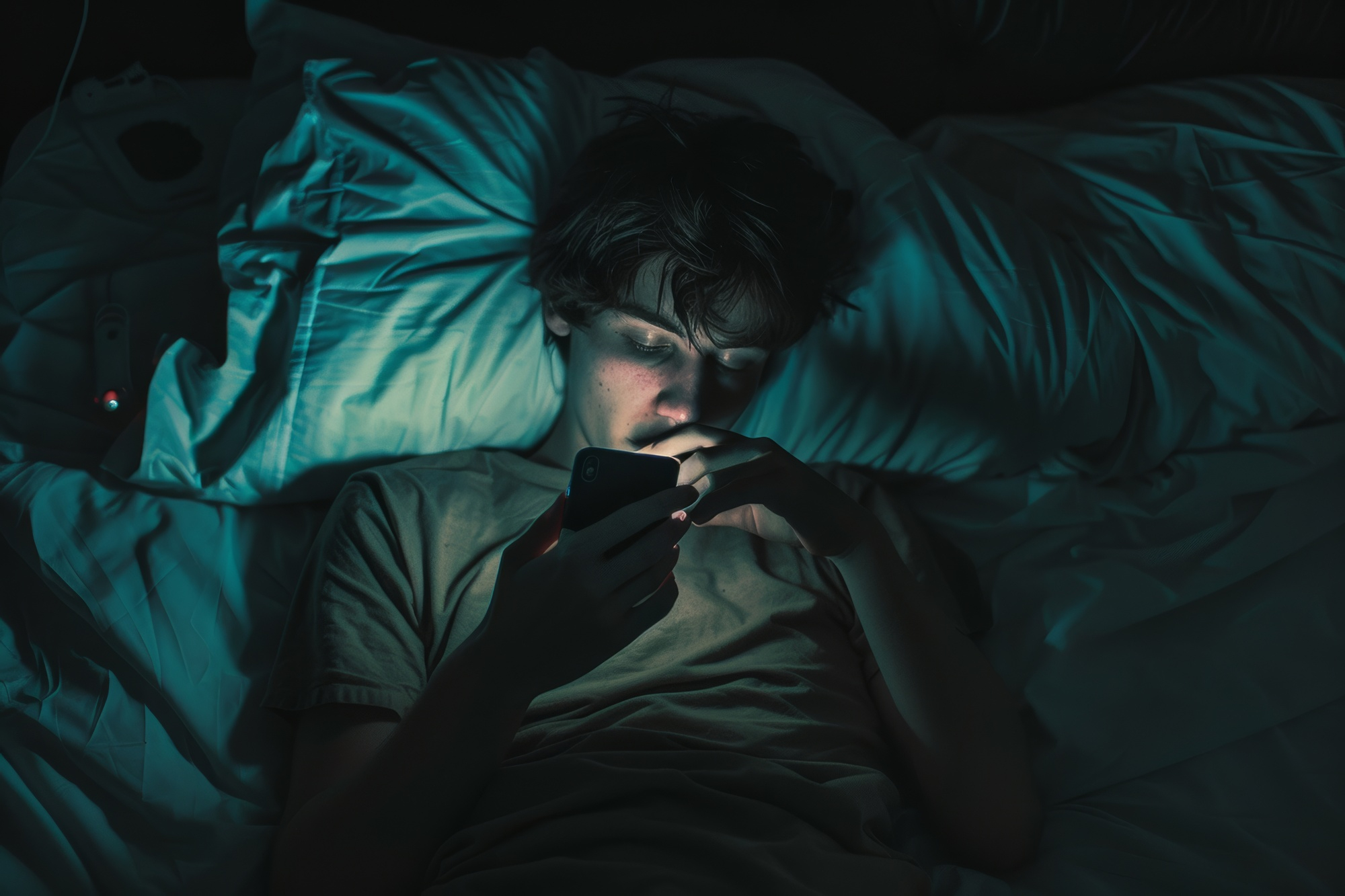
Can CBD cause nightmares?
Nightmares and night terrors affect sleep quality, but differ in nature. Nightmares occur mainly in the REM phase, when the dream is frightening but conscious, while night terrors, in the non-REM phase, totally disorientate the individual. The CBDis widely recognized for improving sleep by alleviating anxiety and pain, but has not been directly linked to the onset of nightmares or night terrors.
Understanding nightmares and night terrors
Nightmares are realistic, often terrifying dreams experienced during REM (Rapid Eye Movement) sleep, the phase of deep sleep when dreams occur. These dreams disrupt sleep, causing screaming, crying and increased heart rate. However, the person experiencing them remains conscious and can recount the content of their dreams upon awakening.
Conversely, night terrors generally occur in the non-REM phase, often two hours after falling asleep. Unlike nightmares, they plunge the individual into a state of intense confusion, where he or she does not recognize his or her surroundings or the people around him or her. These episodes of terror can last from a few seconds to several minutes, and when the person wakes up, they generally have no recollection of what happened. Sleep disturbed by nightmares or night terrors often leaves the individual exhausted and disturbed.
The role of sleep and dreams
The sleep is made up of several phases that repeat themselves in cycles of around 90 minutes. Dreams, whether positive or negative, are essential mechanisms for the brain to sort out the information, emotions and memories accumulated during the day. Around 90% of dreams are related to real-life events, such as stress, fears or even pleasures. It's a way for the brain to better manage emotional tensions and build resilience to stress.
Stress is not the only factor influencing dreams. The consumption of certain foods, especially dairy or spicy products, as well as lifestyle habits such as exercise, can intensify dreams.
Sleep phases
Sleep is divided into five distinct phases:
- Phase 1: Falling asleep, with slower reflexes and muscle relaxation.
- Phase 2: Preparatory phase for deep sleep, with a drop in body temperature and heart rate.
- Phase 3: Transition to deep sleep, with very slow brain waves.
- Phase 4: Deep, restorative sleep, when it is difficult to wake up.
- Phase 5 (REM): A phase of heightened brain activity, accompanied by vivid dreams. This is the longest phase of repeated sleep cycles.
Effects of CBD on sleep and dreams
Although research has focused primarily on the benefits of CBD for improving sleep—particularly by reducing anxiety, chronic pain, and muscle tension—there are no conclusive studies directly linking CBD use to the occurrence of nightmares or night terrors. In fact, CBD tends to help make sleep more restful and less disrupted, thereby promoting better nighttime recovery.
However, some small-scale studies and user reports suggest that CBD may prolong REM sleep and lead to more intense and vivid dreams, or even lucid dreams. This would mean that users might be able to remember their dreams better or even control certain aspects of them. That said, the scientific evidence on this topic remains limited, and these effects vary considerably from person to person.
It is also important to note that CBD affects people differently. Some sensitive users may experience changes in the quality of their sleep and dreams due to an inappropriate dosage, excessive stress, orinteractions with medications they are taking temporarily.
Conclusion: CBD and nightmares
To date, no scientific study has proven that taking CBD directly causes nightmares or night terrors. If such effects are observed, they are generally the result of a combination of external factors, such as stress, fatigue, or underlying medical conditions. If there is a noticeable change in sleep quality or the onset of nightmares, it is recommended to reassess the CBD dosage or consult a doctor to adjust usage accordingly.
CBD remains a valuable ally for many people looking to improve their sleep and overall well-being without disrupting their dreams.



