
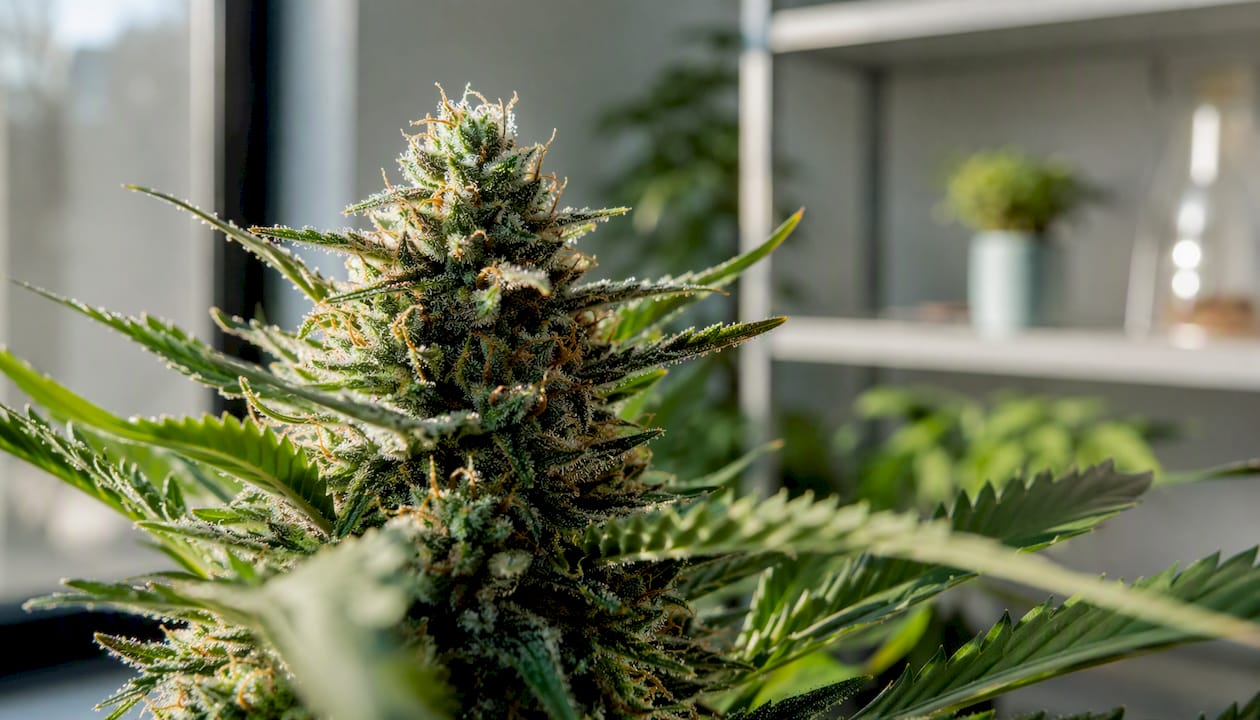
At the molecular level, THC (tetrahydrocannabinol) is a partial agonist of the CB1 receptors in the endocannabinoid system, which gives it its psychotropic properties. CBD (cannabidiol), although it shares the same molecular formula, does not bind directly to these receptors and does not induce any intoxicating effects. Under French law, this pharmacological distinction has a direct legal implication: THC is classified as a narcotic, while CBD may be marketed under strict regulatory conditions, particularly regarding residual THC content. The MILDECA confirms this distinction and specifies the rules applicable in France.
Key Points
CBD and THC share the same molecular formula but differ radically in their mechanisms of action, risk profiles, and legal status in France.
| Point | Details |
|---|---|
| Fundamental Pharmacological Distinction | THC directly activates CB1 (psychotropic effect); CBD indirectly modulates it without causing a high. |
| Legal Status in France | THC is a controlled substance; CBD is marketable if the Δ9-THC content in the finished product is ≤ 0.3%. |
| European Framework (CJEU and EFSA) | The Kanavape ruling prohibits the classification of CBD as a narcotic; EFSA has suspended the novel food assessment of CBD. |
| Drug Interactions | CBD inhibits CYP3A4 and CYP2C9; consult a doctor before prolonged use while on medication. |
| Mandatory Quality Check | Requiring a Certificate of Analysis (COA) from an ISO 17025-accredited laboratory is the only reliable guarantee of compliance and safety. |
Table of Contents
- CBD vs. THC: A Comparative Overview
- What are the chemical and botanical origins of CBD and THC?
- How do THC and CBD work in the body?
- What are the clinical effects and risks associated with THC and CBD?
- Regulated Medical Cannabis vs. CBD Wellness Products: What Are the Practical Differences?
- What is the applicable legal framework in France and in the European Union?
- How do the regulations apply depending on the product category?
- What regulations and penalties apply to consumers and sellers?
- How do you read a certificate of analysis (COA) to evaluate a CBD product?
- Precautions, Drug Interactions, and At-Risk Individuals
- Pure-extract-cbd's Perspective on Transparency and Compliance
- Discover Pure-extract-cbd's tested and compliant CBD products
- Sources
CBD vs. THC: A Comparative Overview
The differences between CBD and THC revolve around several key factors that determine their use and legal status.
| Axis | THC | CBD |
|---|---|---|
| Psychoactivity | Yes (euphoria, altered perception) | No (no intoxicating effects) |
| Addictive potential | Designed for repeated use | Absent, according to the Health Insurance Agency |
| Targeted receptors | CB1 (potent) and CB2 agonist | Allosteric modulator of CB1/CB2, 5-HT1A, PPAR, and TRP |
| Legal Status (France) | Narcotics (illegal) | May be sold under certain conditions (THC ≤ 0.3%) |
| Medical use | Regulated Medical Cannabis | Medication authorized only with a marketing authorization (e.g., Epidyolex) |
| Roadside Screening | Targeted by saliva tests | Not targeted, but a risk if the product contains traces of THC |
| Health Inspection | Not for sale | Subject to DGCCRF/ANSM inspections |
Key takeaways:
- CBD does not cause a "high"; THC does, because of its direct effect on CB1.
- CBD products that are legal in France must contain a very low residual level of Δ9-THC, well below psychoactive thresholds.
- Neither CBD nor THC is free of potential drug interactions.
- Product quality directly affects legal and health risks.
- Emerging cannabinoids (HHC, THCP, H4-CBD) are subject to evolving classifications on the list of controlled substances.
What are the chemical and botanical origins of CBD and THC?
CBD and THC share the same molecular formula: C₂₁H₃₀O₂. What sets them apart is the spatial arrangement of their atoms—in other words, their isomerism. A slight variation in the molecule’s three-dimensional configuration is enough to radically alter its affinity for the CB1 receptor, explaining why THC is psychoactive and CBD is not.
Both cannabinoids are synthesized by Cannabis sativa L., primarily in the trichome glands of the female flowers. The leaves contain smaller amounts, and the seeds contain virtually none.
Decarboxylation plays a key role: in the fresh plant, cannabinoids exist in their acid forms (THCA, CBDA). Heat or aging converts these precursors into the active compounds THC and CBD. This conversion is central to understanding why the method of consumption (vaping, brewing, ingestion) alters the pharmacological profile.
Beyond the traditional CBD and THC, emerging cannabinoids such as THCP, HHC, H4-CBD, and THCA are now subject to increased regulatory scrutiny. Some have been classified as narcotics in France, which requires consumers and sellers to exercise particular caution.
How do THC and CBD work in the body?
THC and CB1 Receptors
THC binds directly to CB1 receptors, which are concentrated in the prefrontal cortex, the hippocampus, and the limbic system. As a potent partial agonist, it activates these receptors in a sustained manner, producing euphoria, impaired short-term memory, and altered sensory perception. At high doses or in genetically predisposed individuals, this activation can trigger episodes of anxiety or transient psychotic symptoms.
CBD: An Indirect Modulator
CBD has a very low affinity for CB1 and CB2. Its effects are mediated through other pathways:
- Negative allosteric modulation of CB1: it attenuates the effect of THC when both molecules are present simultaneously.
- Partial agonism of the 5-HT1A (serotonin) receptor, which is involved in the regulation of anxiety.
- Activation of PPAR-γ receptors, which are associated with anti-inflammatory effects.
- Inhibition of FAAH (fatty acid amide hydrolase), an enzyme that breaks down anandamide, which indirectly increases endocannabinoid levels.
- Interaction with TRP channels (particularly TRPV1), which are involved in the perception of pain and heat.
Drug Interactions Involving Cytochromes P450
CBD inhibits several isoforms of cytochrome P450, including CYP3A4 and CYP2C9. These liver enzymes metabolize a wide range of medications: anticoagulants (warfarin), antiepileptics (valproate, clobazam), and immunosuppressants. Inhibition of CYP3A4 can increase the plasma concentration of these molecules and heighten their toxicity. To learn more about the pharmacological mechanisms, you can read this comparative article.
Pro tip: If you’re taking long-term medication, always check with your pharmacist for potential interactions before starting a CBD product, even at a low dose.
To learn more about the role of terpenes in this synergy, specialized educational resources are available.
What are the clinical effects and risks associated with THC and CBD?
THC Profile
The acute effects of THC include euphoria, relaxation, increased appetite, and altered perception of time. At high doses or with chronic use, documented psychiatric risks emerge: anxiety, panic attacks, and—in vulnerable individuals—the onset or worsening of psychotic disorders. The potential for dependence is real: regular use can lead to cannabis use disorder, characterized by withdrawal symptoms (irritability, sleep disturbances, loss of appetite).
CBD Profile
CBD is generally well tolerated. The most commonly reported effects are a sense of calm and a reduction in situational anxiety. Anti-inflammatory and analgesic properties are mentioned in the preclinical literature, but clinical evidence remains limited for most wellness claims. A study from the University of Bath highlights that some CBD products have not been shown to be effective for pain and may pose risks depending on their manufacturing quality.
👉 Key takeaway: The French National Health Insurance Agency (Assurance Maladie) states that over-the-counter CBD is not addictive, but may contain up to 0.3% Δ9-THC and may interact with other medications. A medical consultation is still recommended before any prolonged use.
Cross-Functional Risks
The risks shared by both compounds primarily concern product quality. Independent analyses show that some products labeled as CBD contain traces of THC above legal thresholds, or even undeclared synthetic cannabinoids (HHC-O, THCP). Legal psychoactive cannabinoids are subject to evolving regulations, the details of which are not always fully understood by consumers.

Pro tip: Avoid products that don’t come with an available Certificate of Analysis (COA). A product without independent analytical traceability cannot guarantee the absence of residual THC or contaminants.
Regulated Medical Cannabis vs. CBD Wellness Products: What Are the Practical Differences?
The distinction between cannabinoid-based medications and CBD wellness products is fundamental under French law, and confusion between the two categories exposes sellers to penalties.
Cannabinoid-based medications
In France, only medications that have obtained a marketing authorization (AMM) issued by the ANSM may claim to have therapeutic effects. Epidyolex (purified cannabidiol at 100 mg/mL) is authorized for certain forms of refractory epilepsy (Dravet and Lennox-Gastaut syndromes) in children. Medical cannabis, which has been tested in France since 2021 under the supervision of the ANSM, is indicated for specific conditions (refractory neuropathic pain, spasticity, palliative care, chemotherapy-induced nausea, and severe epilepsy) and may only be dispensed by a pharmacy with a doctor’s prescription.
CBD Wellness Products: What's Allowed
Over-the-counter CBD products fall into distinct regulatory categories:
- Oils and dietary supplements: subject to novel food regulations (see the following section) and dietary supplement regulations (notification to the DGCCRF).
- Cosmetics: CBD may be listed as an active ingredient, provided it complies with the European Cosmetics Regulation (EC 1223/2009) and is not accompanied by any therapeutic claims.
- Flowers and resins: specific regulatory framework in France (detailed in Section 8).
- Vaping products: subject to regulations governing tobacco and vaping products, with a ban on health claims.
👉 Any therapeutic claim regarding a CBD product sold without marketing authorization is illegal in France. Claiming that a CBD oil “treats anxiety” or “relieves chronic pain” constitutes a deceptive commercial practice. The regulatory texts are explicit about why these medical claims should be avoided.
Recent scientific reviews confirm that the clinical evidence for many wellness claims remains insufficient to justify therapeutic claims without medical supervision.
What is the applicable legal framework in France and in the European Union?
The Legal Status of THC: A Controlled Substance with No Exceptions
THC is listed as a narcotic under French law (Decree of February 22, 1990, as amended). Its production, possession, use, and sale are prohibited, except strictly within the context of medical cannabis approved by the French Health Authority (AMM). This classification stems directly from its psychotropic properties and its potential for dependence, as recognized by international conventions (the 1961 Single Convention on Narcotic Drugs).
CBD Following the Kanavape Ruling (CJEU, C-663/18)
European case law has profoundly reshaped the law governing CBD. In the Kanavape case, the Court of Justice of the European Union ruled in November 2020 that CBD extracted from the whole hemp plant could not be classified as a narcotic within the meaning of EU law, regardless of which part of the plant it came from. This decision forced France to amend its regulations.
The decree of December 30, 2021, and the decision of the Council of State of December 29, 2022
The decree of December 30, 2021, redefined the conditions for the sale of CBD in France. The Council of State, in its decision of December 29, 2022, confirmed the legality of this decree while clarifying the conditions for its application, notably the ban on smoking or vaping raw flowers in public spaces.
European Commission Regulation 2023/915 sets maximum levels of Δ9-THC equivalents for hemp seeds (3.0 mg/kg) and hemp seed oil (7.5 mg/kg), applicable to food products marketed in the EU.
EFSA's Role in Novel Foods
EFSA has suspended its evaluations of CBD as a novel food pending additional toxicological data. This suspension effectively blocks the authorization for the European marketing of food products containing CBD as a novel food ingredient, creating ongoing legal uncertainty for manufacturers of dietary supplements and beverages.
How do the regulations apply depending on the product category?
The following table summarizes the main categories and their regulatory requirements in France.
| Category | Applicable Rules | Max. THC content | Authorization Required |
|---|---|---|---|
| Edible oils (hemp seeds) | EU Regulation 2023/915 | 7.5 mg/kg (Δ9-THC equivalent) | No (if compliant) |
| Edible hemp seeds | EU Regulation 2023/915 | 3.0 mg/kg (Δ9-THC equivalent) | No (if compliant) |
| CBD Dietary Supplements | Novel foods (European regulations) | 0.3% Δ9-THC | Novel Food Authorization (suspended by EFSA) |
| CBD cosmetics | EC Regulation No. 1223/2009 | No specific threshold | Mandatory CPNP Notification |
| Hemp flowers/leaves | Decree of December 30, 2021 | 0.3% Δ9-THC in the finished product | Approved variety (EU list) |
| CBD Vaping Products | Applicable European Directive + National Law | 0.3% Δ9-THC | Mandatory Declaration |
| CBD resins | Decision of December 30, 2021 (strict interpretation) | 0.3% Δ9-THC | COA Compliance Required |
Flowers and resins are subject to particularly strict regulations. The presence of synthetic cannabinoids (HHC, THCP) in resins or vaping products constitutes a serious offense, as these substances are classified as narcotics. To learn about the specific obligations of sellers, the guide on who can sell CBD in France details the required administrative procedures.
What regulations and penalties apply to consumers and sellers?
Roadside Screening: What the Tests Actually Target
The saliva tests used during traffic stops in France specifically target Δ9-THC, not CBD. A positive result results in an immediate suspension of the driver’s license, a fine, and criminal prosecution for driving under the influence of narcotics (Article L235-1 of the Highway Code). The use of CBD products containing traces of THC may, in rare cases, result in a positive test if the residual THC content is high or if the product is consumed in large quantities. Confirmatory urine tests, which are more sensitive, can detect THC metabolites several days after consumption.
👉 French authorities’ inspections of CBD products include sampling at points of sale, laboratory analyses, and recall procedures via rappel.conso.gouv.fr when a non-compliance is detected.
CBD product recalls have been published on Rappel due to THC levels exceeding the limits or the presence of contaminants, illustrating the reality of health inspections.
Trade Controls and Sanctions
The DGCCRF and the ANSM conduct regular inspections of CBD products sold in France, checking cannabinoid levels, testing for contaminants, and verifying the accuracy of labeling and claims. Penalties can range from product recalls to criminal prosecution for fraud or endangering public health.
Anti-Doping and Sports
The World Anti-Doping Agency (WADA) removed CBD from its list of prohibited substances in 2018. However, THC remains prohibited in competition. Athletes who use CBD products must ensure that their products are completely free of THC, as anti-doping rules do not allow for any detectable traces during competitions.
Pro tip: For athletes subject to anti-doping testing, choose only CBD isolates certified as “THC-free” with a COA from an ISO 17025-accredited laboratory.
How do you read a certificate of analysis (COA) to evaluate a CBD product?
A certificate of analysis (COA) is the key document for assessing the compliance and safety of a CBD product. Here is the procedure for interpreting it correctly.
-
Verify that the lot number matches the label: The lot number listed on the COA must exactly match the one printed on the product packaging. A generic COA that is not linked to a specific lot offers no guarantee.
-
Verify the laboratory’s accreditation: The laboratory that performed the analyses must be ISO 17025-accredited. In France, COFRAC (the French Accreditation Committee) publishes a list of recognized laboratories. A certificate of analysis (COA) issued by a laboratory within the manufacturer’s organization is not sufficient.
-
Review the cannabinoid profile: The COA must specify the levels of CBD, Δ9-THC, CBDA, CBGA, CBN, and, ideally, other minor cannabinoids. The analytical method (GC-MS or LC-MS/MS) must be specified. LC-MS/MS is preferable for cannabinoid acids.
-
Check the Δ9-THC content: it must be less than 0.3% for products intended for the French market. A content between 0.2% and 0.3% is still legal but warrants caution, particularly for drivers.
-
Test for residual solvents: If the product is an extract (oil, resin, crumble), the COA must include an analysis of residual solvents (hexane, ethanol, butane). The ICH Q3C limits apply to products intended for ingestion.
-
Test for heavy metals: Lead, cadmium, arsenic, and mercury must be below the European regulatory thresholds. Hemp is a bioaccumulating plant; contaminants from the soil end up in the extract.
-
Test for mycotoxins and pesticides: aflatoxins and ochratoxin A are the priority mycotoxins. Pesticide residues must comply with the MRLs (maximum residue limits) set forth in Regulation (EC) No. 396/2005.
-
Dating the COA: A certificate that is more than 12 months old for a product still on the market is insufficient. The stability of cannabinoids changes over time and depending on storage conditions.
Pro tip: For those subject to traffic stops or drug testing, choose an isolate or a broad-spectrum product that explicitly states “non-detectable for THC” (ND) on the COA, and keep this document with you.
Precautions, Drug Interactions, and At-Risk Individuals
Priority Drug Interactions
CBD inhibits the CYP3A4 and CYP2C9 enzymes, which can increase the plasma concentration of many medications. The most well-documented interactions involve oral anticoagulants (warfarin, acenocoumarol), antiepileptic drugs (clobazam, valproate), immunosuppressants (cyclosporine, tacrolimus), and certain antidepressants. The French National Health Insurance recommends consulting a healthcare professional before any prolonged use of CBD if you are taking medication.
At-risk groups
Certain groups of people should refrain from using this product or consult a doctor before use:
- Pregnant and breastfeeding women: insufficient safety data; CBD crosses the placental barrier.
- Adolescents and young adults: The endocannabinoid system continues to develop until age 25; any exposure to active cannabinoids poses a neurological risk.
- People undergoing psychiatric treatment: potential interactions with antipsychotics, benzodiazepines, and antidepressants.
- Drivers: Even though CBD is not tested for, a poorly controlled product may contain detectable levels of THC.
- People with liver failure: CBD is metabolized by the liver; accumulation is possible.
Reducing Risk in Practice
Starting with a low dose (5–10 mg of CBD per dose) and gradually increasing it allows you to assess your individual tolerance. Always check the COA before purchasing, avoid products without analytical traceability, and report any adverse effects through the pharmacovigilance system—these are essential practices for responsible use.
Pure-extract-cbd's Perspective on Transparency and Compliance
The issue of CBD product quality is not a minor one: it lies at the heart of the difference between responsible use and a real health or legal risk. Too many market players continue to sell products without an accessible COA, with illegal therapeutic claims, or without traceability regarding the hemp strain used.
Analytical transparency is not a marketing ploy. It is a de facto obligation to the consumer, who cannot tell the difference between a compliant product and a contaminated one with the naked eye. Pure-extract-cbd publishes the certificates of analysis for its products and works exclusively with accredited independent laboratories, precisely because regulatory compliance and consumer safety cannot rely on trust alone.
From an educational standpoint, the line between scientific information and personalized medical or legal advice must remain clear. This article provides a general framework for understanding; it is not a substitute for a doctor’s advice regarding drug interactions, nor for a lawyer’s advice regarding complex commercial situations. Product sheets, laboratory analyses, and blog posts from Pure-extract-cbd are resources available to explore each aspect in greater depth, but the final decision always rests with the informed consumer, ideally with the guidance of a healthcare professional.

Discover Pure-extract-cbd's tested and compliant CBD products

For consumers who want to enjoy the benefits of CBD without legal risks or concerns about quality, Pure-extract-cbd offers a complete line of products made from organic hemp, all accompanied by independent certificates of analysis.
The 5% and 20% broad-spectrum CBD/CBG oils are formulated to provide a full cannabinoid profile with no detectable THC, making them particularly suitable for people concerned about traffic stops or anti-doping tests. For enthusiasts of concentrates, CBD crumble offers a high-concentration alternative with full traceability. Each product complies with the requirements of the decree of December 30, 2021, and the THC thresholds applicable in France.
Sources
- CBD | MILDECA
- Cannabidiol novel food evaluations are on hold pending new data | EFSA
- PubMed Central — Review/Study on CBD (PMC9898277)
- University of Bath Announcement on the CBD Study



